

Why I believe data will define the next generation of banking.
For years, banks have focused on the core platform as the main driver of modernization. I think that is changing.
What really sets banks apart now is not the core system, but the data.
Banks today don’t have trouble processing transactions. Their real challenge is that data is scattered across old systems, channels, and apps. Every new digital project, AI effort, or integration begins with the same problem: finding, cleaning, and connecting data.
This issue is now a top priority across the industry. Gartner says 58% of banking CIOs have already launched or are working on AI projects, but these efforts only succeed with reliable, well-managed, and AI-ready data. McKinsey also notes that banks spend 6% to 12% of their tech budgets on data, showing how important it has become.
That’s why I see the banking data layer as the next key part of financial infrastructure.
What makes the banking data layer the next competitive advantage?
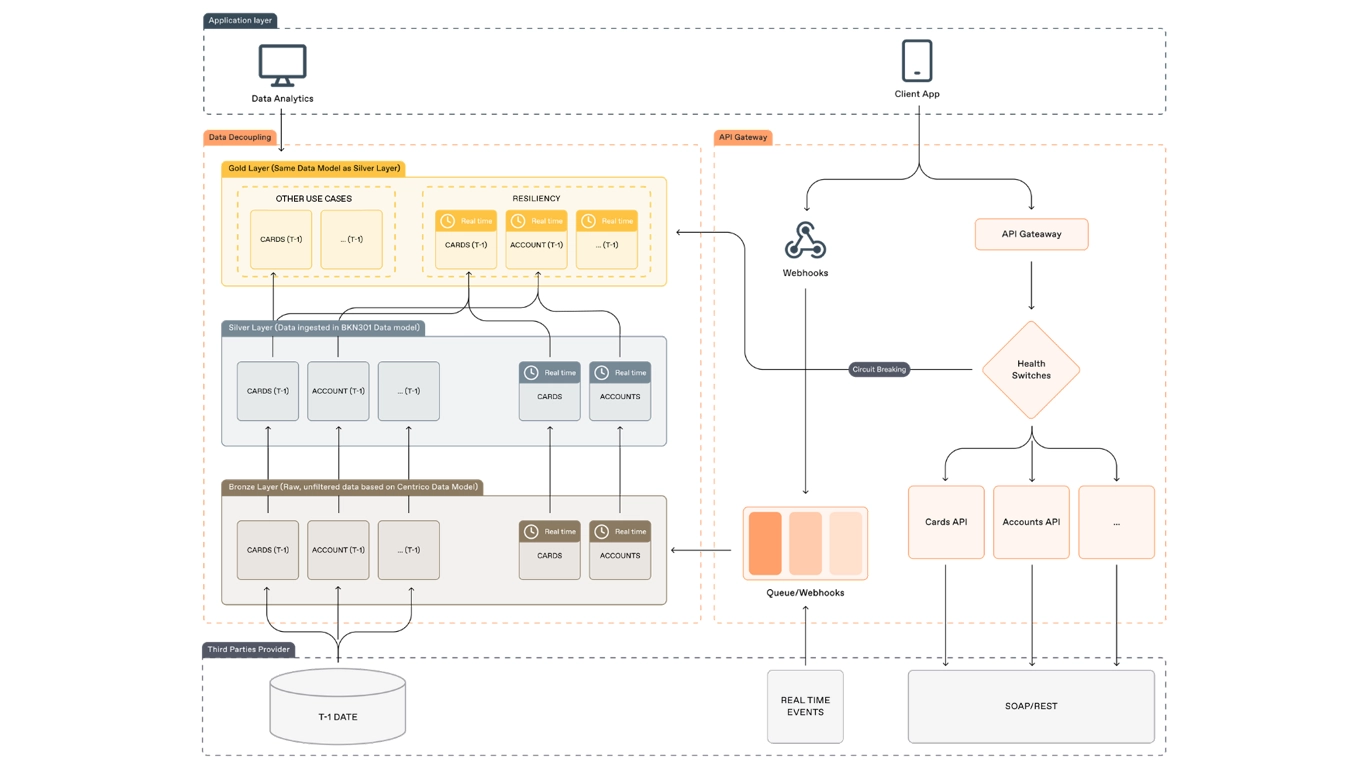
Rather than pushing every new idea through the core system, a dedicated data layer separates information from daily operations. This creates a reliable base for digital channels, analytics, AI, and flexible banking. It lets banks keep modernizing without having to rebuild what already works.
In the next few years, I don’t think the banks with the newest core platforms will come out on top.
The real winners will be the banks that see data as a strategic asset, build a strong data foundation, and stay flexible enough to keep up with the market.
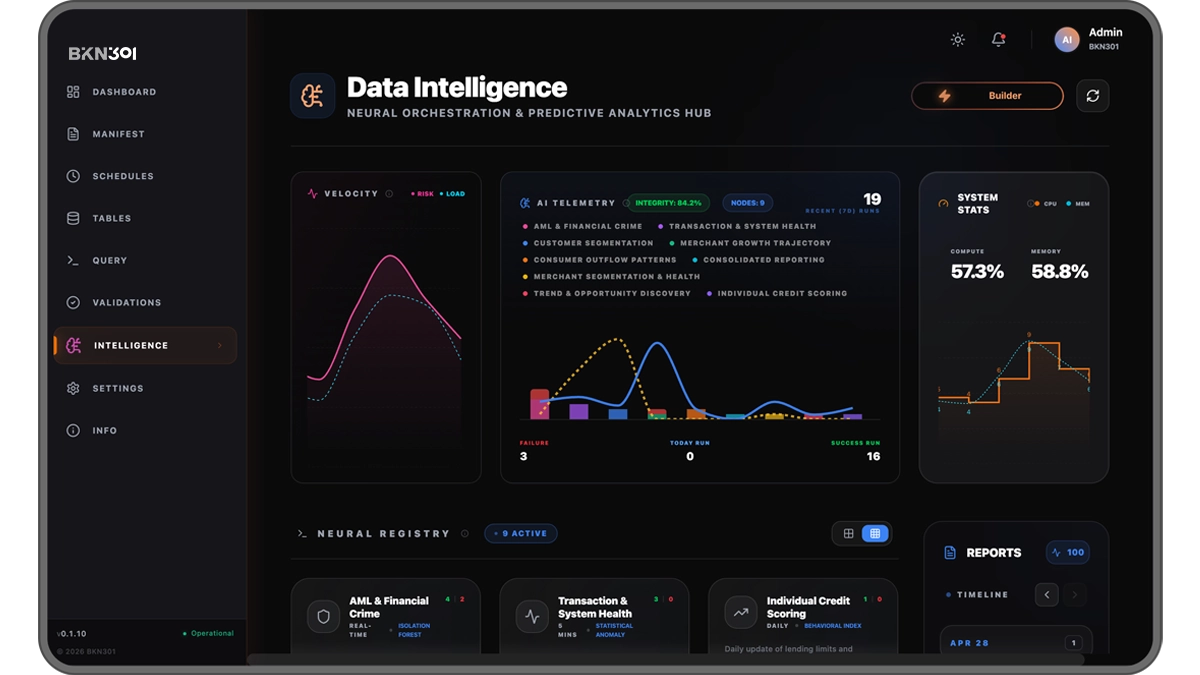
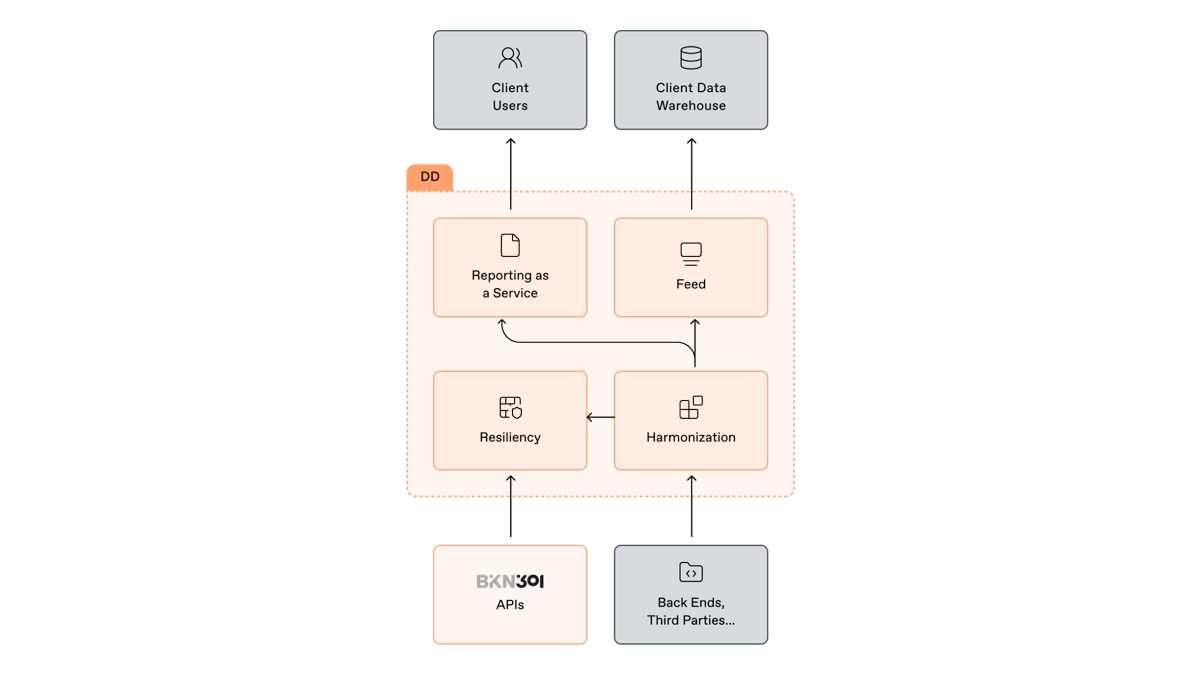
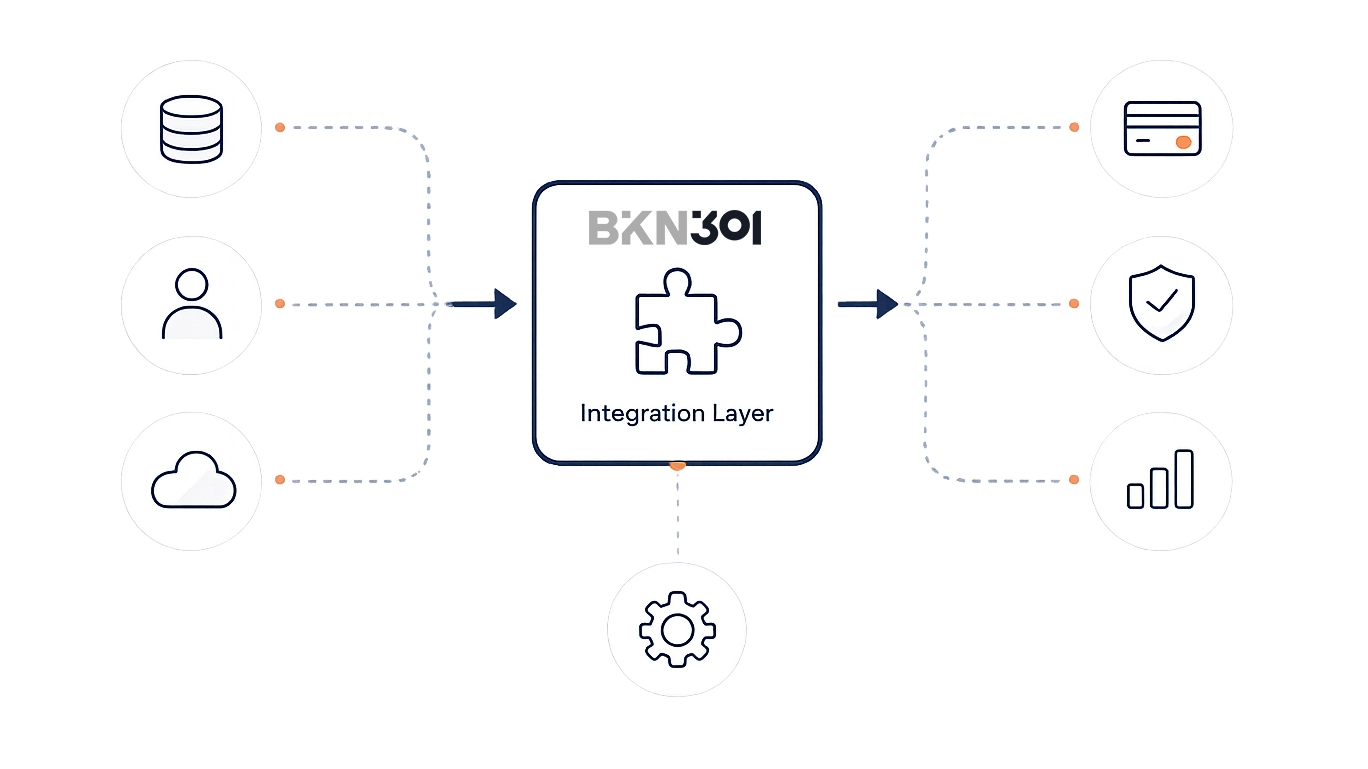
BKN301’s Data Decoupling Layer transforms fragmented backend data into harmonized, resilient, and accessible information for reporting, feeds, users, and data warehouses.
How can banks build a trusted data Foundation for scalable AI?
AI at scale depends on data that banks can trust, govern, and control.
A dedicated banking data layer makes information consistent and accessible across systems while preserving sovereignty over where it resides, how it is processed, and who can use it.
This foundation allows banks to modernise, deploy AI, and introduce new capabilities without compromising security, resilience, or regulatory control. In my view, the next generation of banking will be shaped by institutions that make sovereign data a core part of their infrastructure.
The banks that lead will understand their data as deeply as they understand money.
Sources
- Gartner — Hype Cycle for Banking Data, Analytics and AI, 2024; Powering Innovation With AI-Ready Data for Banking CIOs: gartner.com
- McKinsey — Next-gen banking success starts with the right data architecture: mckinsey.com
This article was originally published on LinkedIn on 27 August 2026.