

Rethinking the AI challenge.
Artificial intelligence is often discussed as a technology challenge. In reality, it is an operating model challenge.
Even when organisations use the same AI models, tools, and training, their results can be very different. The main reason is that AI is most valuable when it changes how work moves through the whole organization, not just when it speeds up single tasks.
The treasure map: uncovering AI’s true power
A recent INSEAD field study of 515 high-growth companies showed:
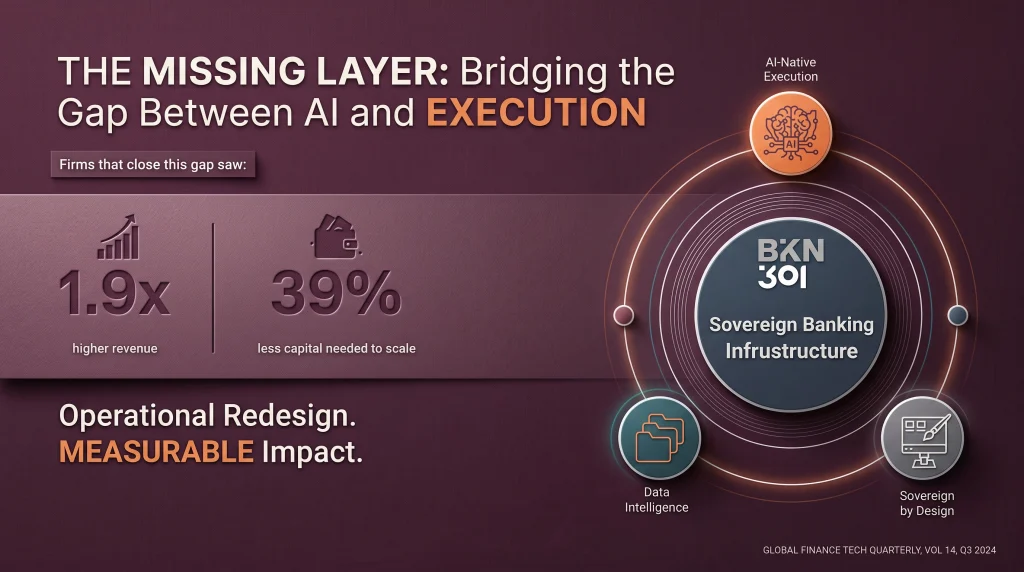
Those that redesigned their workflows around AI found 44% more AI use cases, finished 12% more business tasks, were 18% more likely to get paying customers, earned almost twice as much revenue, and lowered their expected capital needs by nearly 40% without hiring more people.
The study calls this the “mapping problem”: figuring out where AI should fit into an organisation’s production process instead of just using it for separate tasks.
Untangling the banking maze: AI’s toughest test
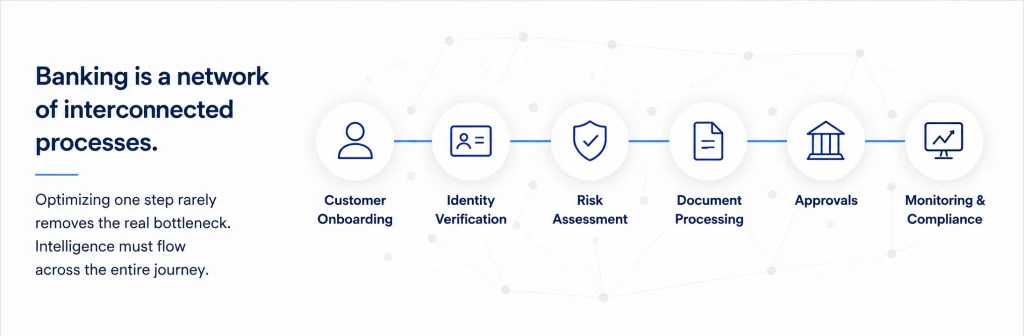
This challenge is even harder for financial institutions. Processes like lending, payments, or customer onboarding are not just single steps.
They involve many decisions, data exchanges, compliance checks, and other dependencies. If you automate only one part and leave the rest the same, the bottleneck just moves to the next step.
BKN301 in action: Weaving intelligence into Every thread
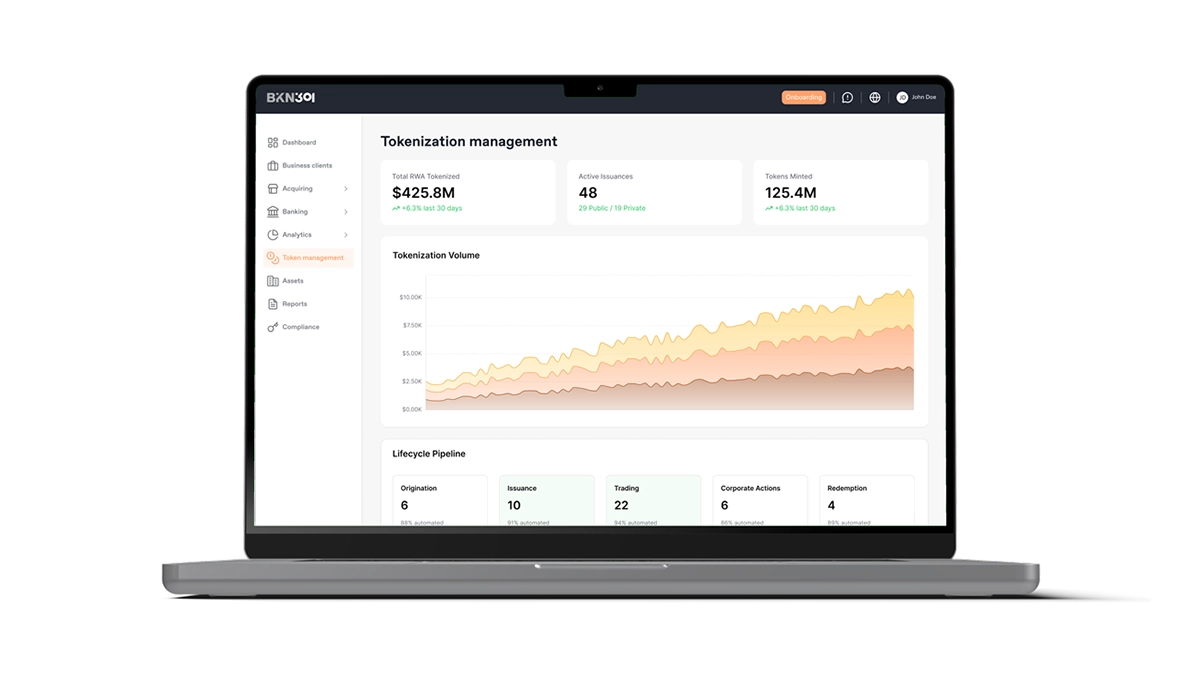
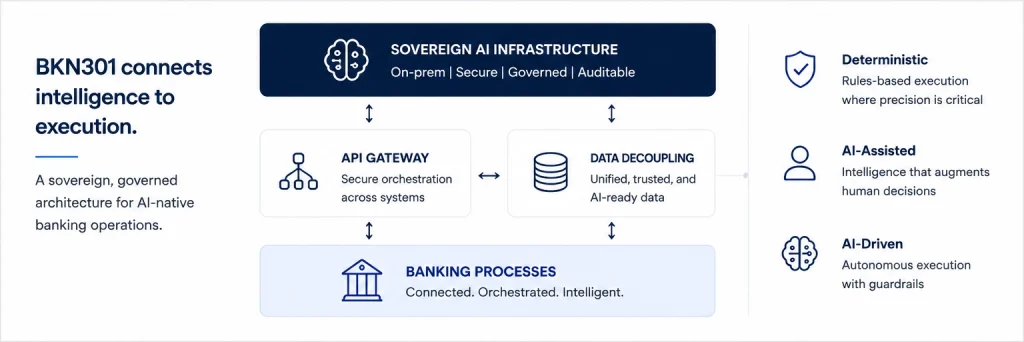
This idea is at the core of the BKN301 AI Sovereign Platform.
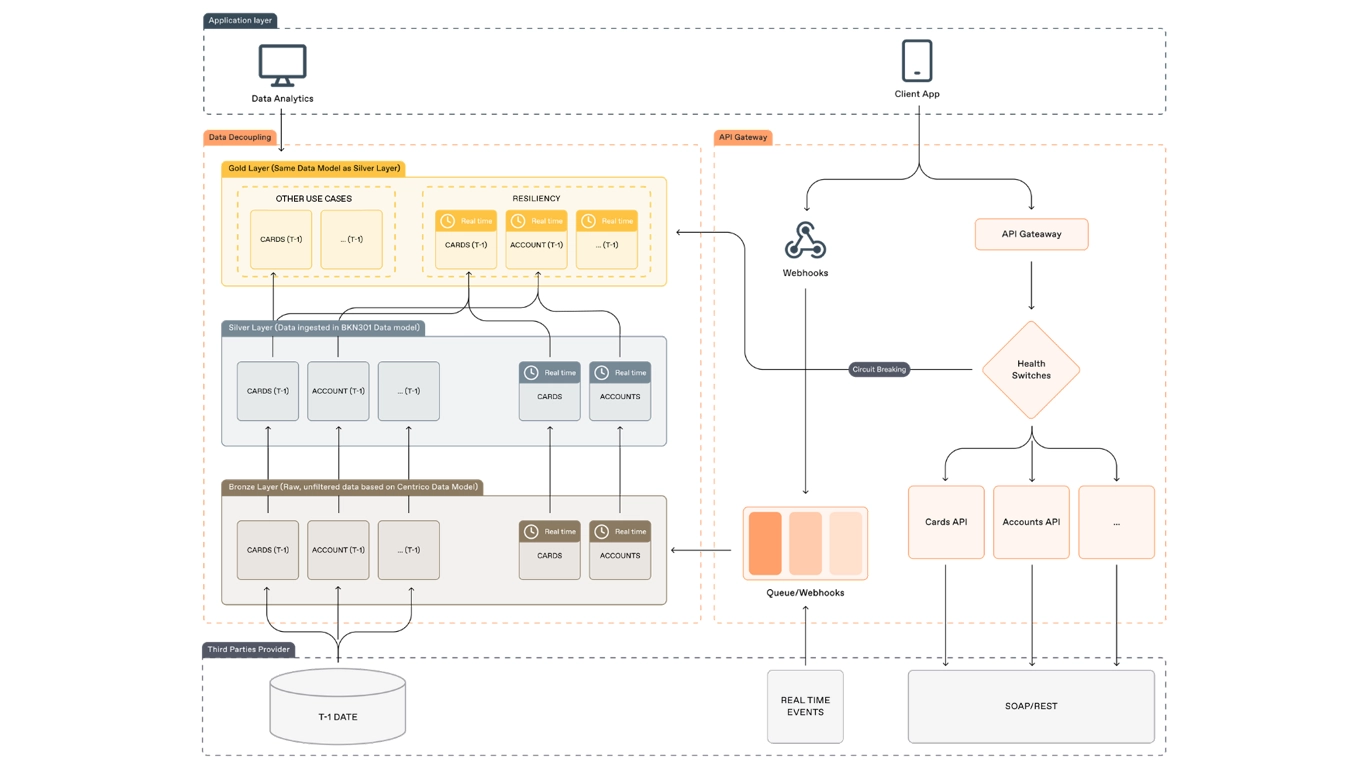
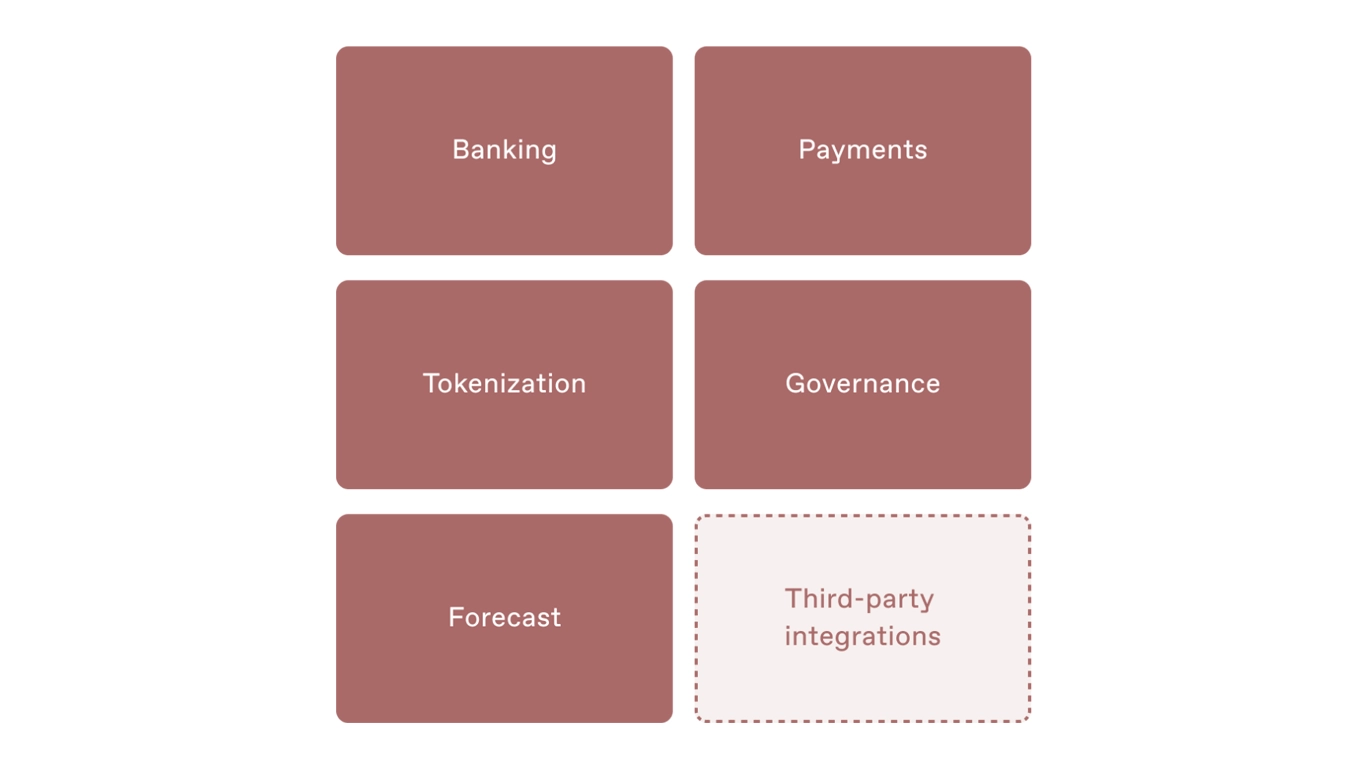
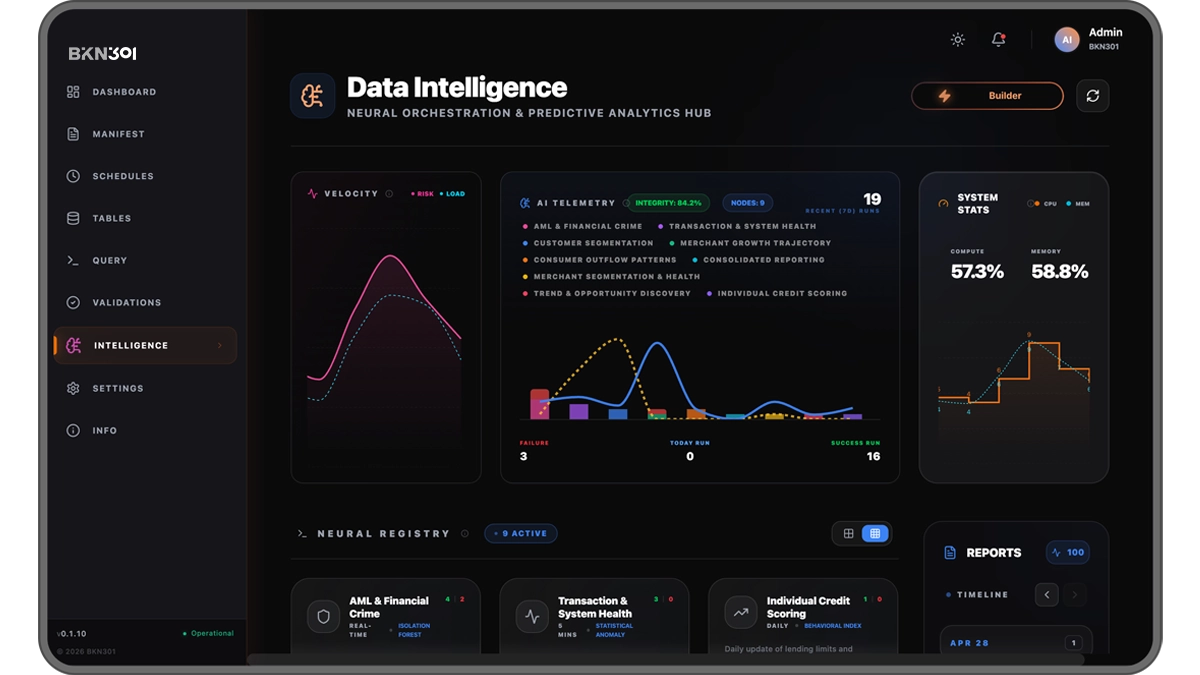
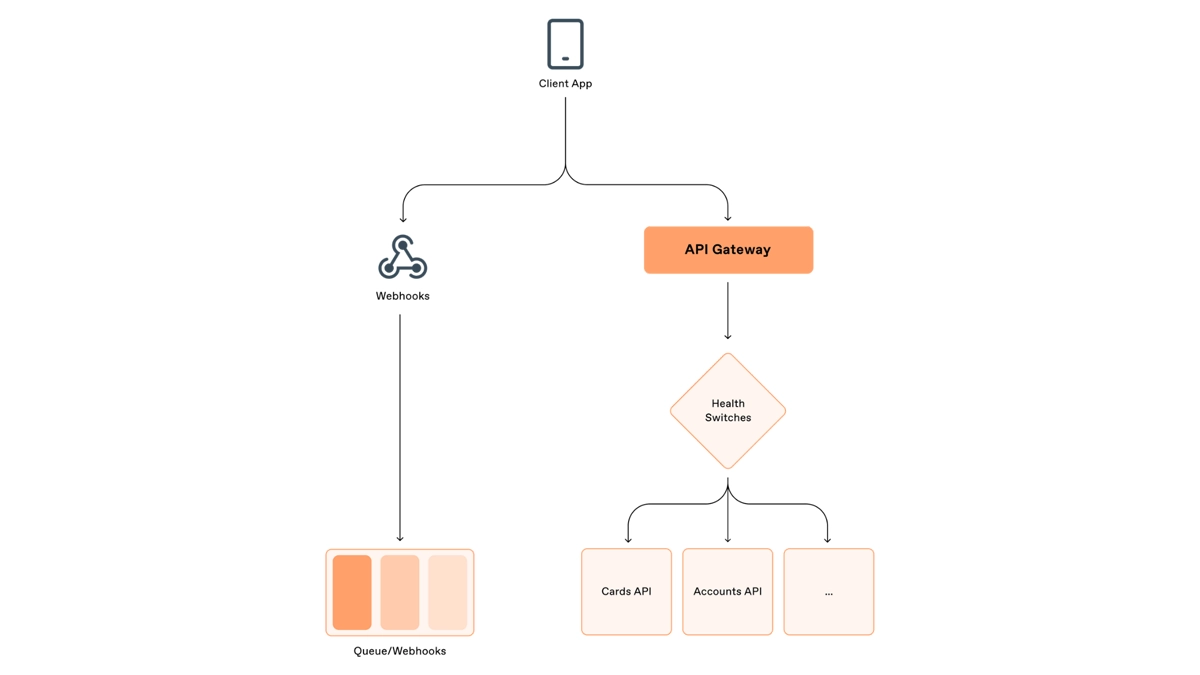
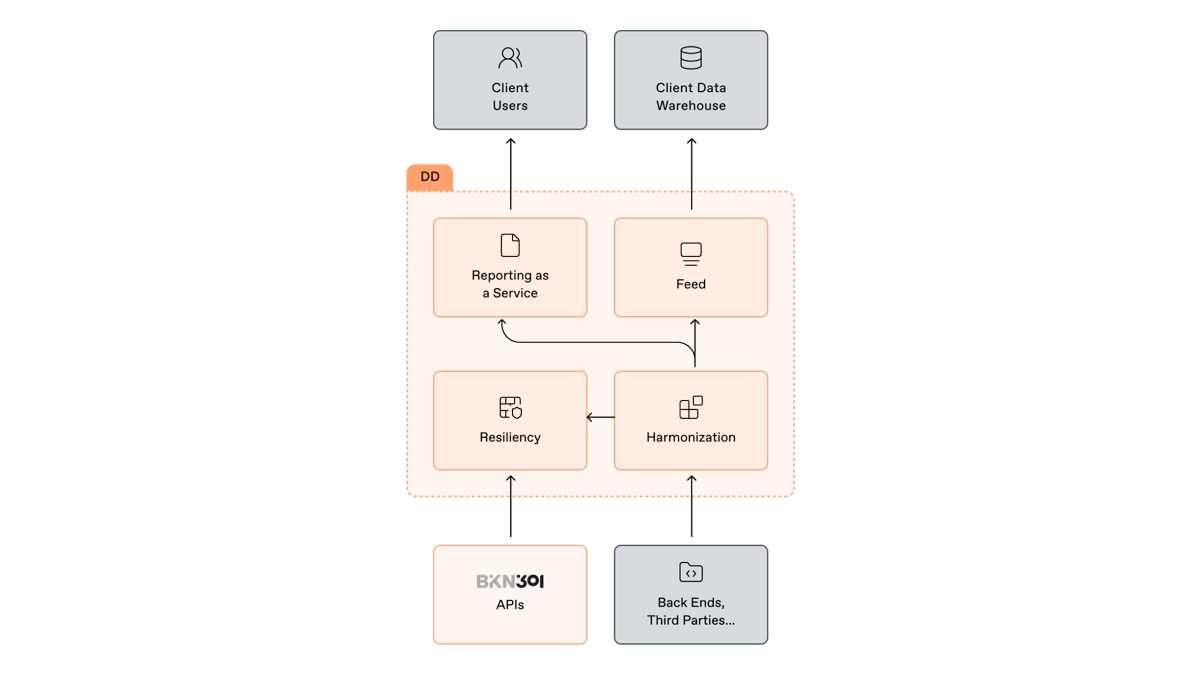
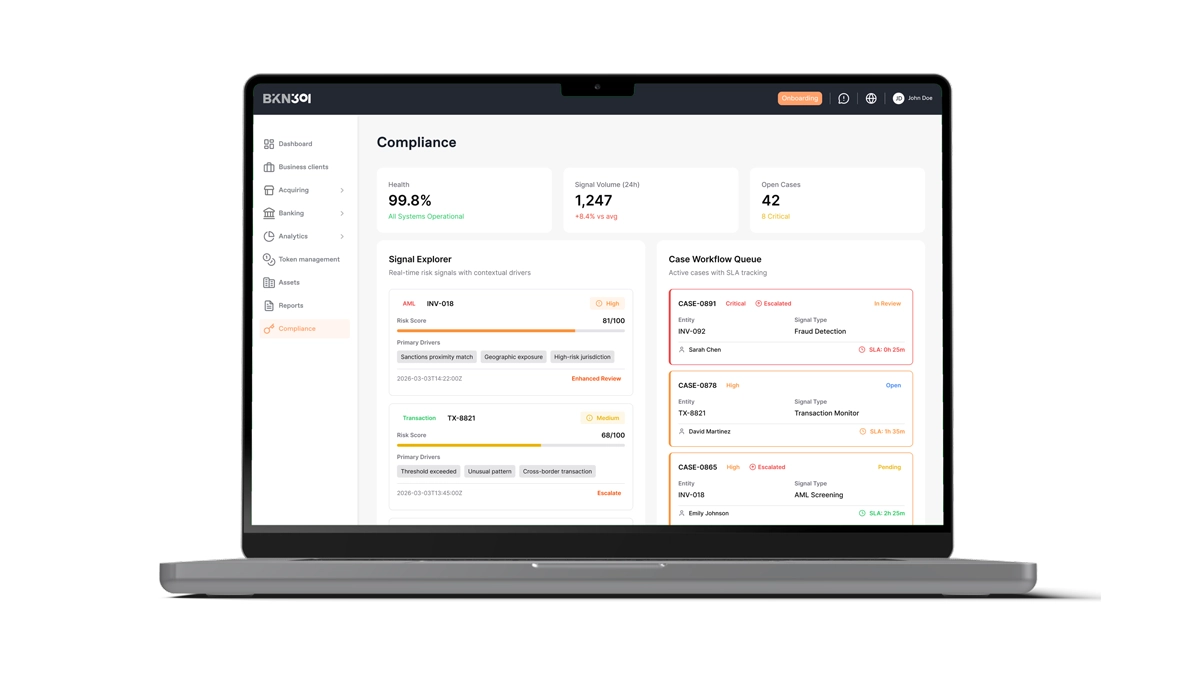
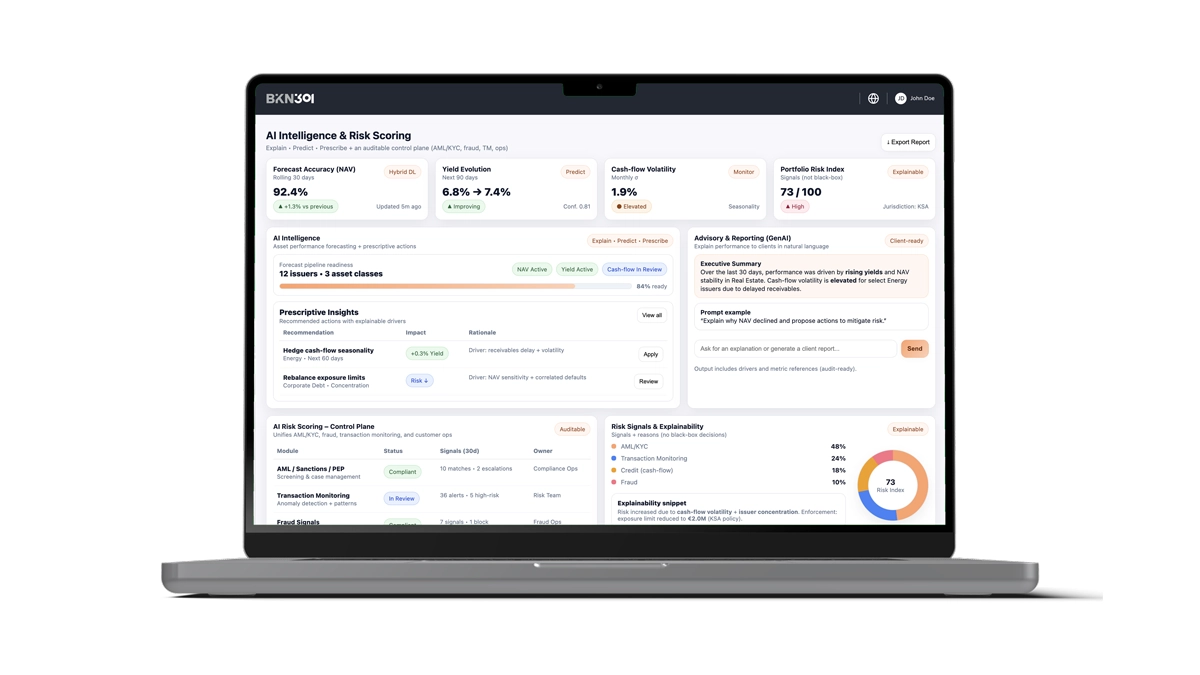
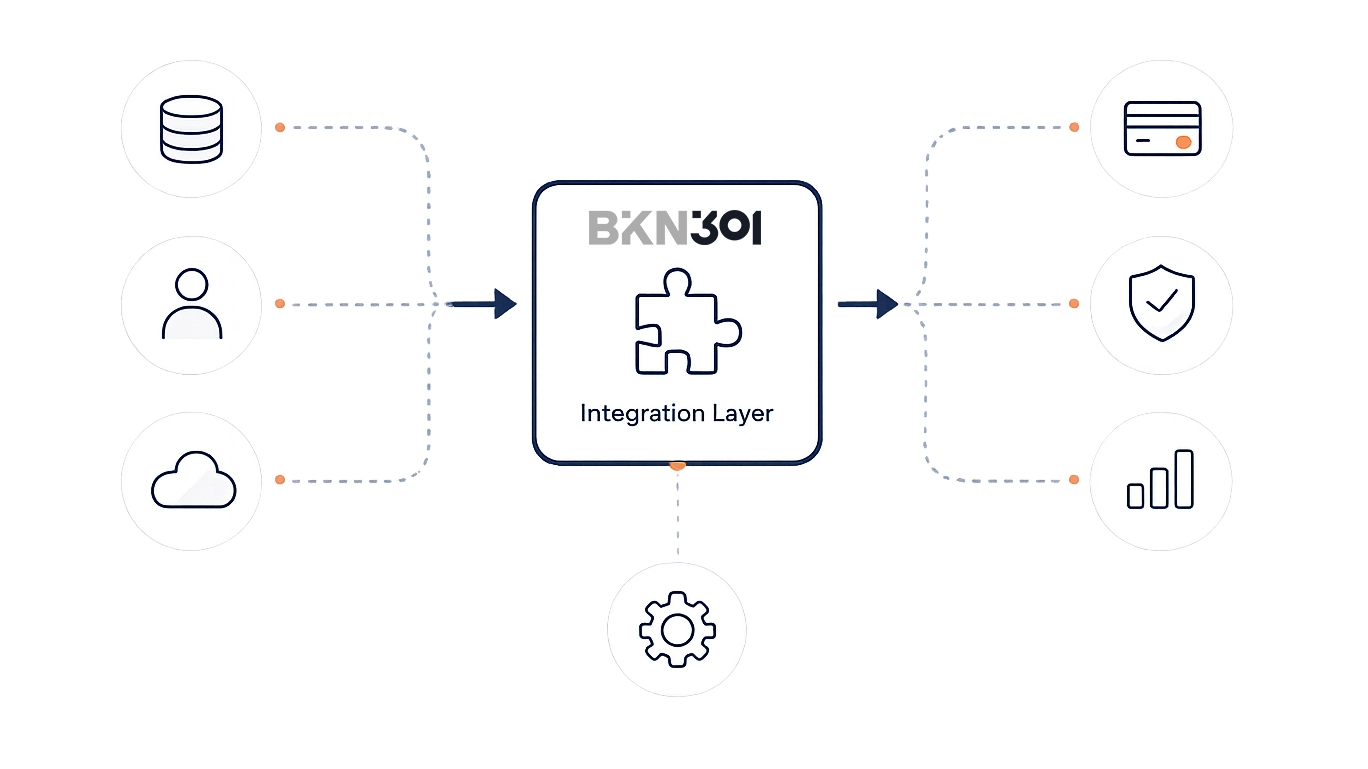
Rather than introducing AI as another standalone capability, BKN301 embeds intelligence into banking operations through a governed architecture that combines API Gateway, Data Decoupling, and Sovereign AI Infrastructure.
This creates a foundation where AI can operate across interconnected processes while remaining fully auditable, secure, and deployed within the institution’s own environment.
The platform also recognises that not every banking process should be treated the same. Some require deterministic execution; others benefit from AI-assisted decisions, while others can safely operate with autonomous intelligence under clearly defined guardrails.
Matching the right level of intelligence to each process is what enables scalable, trusted automation.
Tomorrow’s blueprint: reinventing banking from the core
The future of banking will not depend on where AI is used, but on how well operations are redesigned to work with it. That is where real business value starts.
Originally published on LinkedIn on 7 July 2026.