

Banks have long seen legacy core banking systems as the main roadblock to digital change. Updating the core still matters. But it is often not the biggest barrier. The real problem is data.
Over time, customer, product, and operational data gets split across many systems, apps, and channels. Each new link adds more work. It makes it harder to launch new products, give customers a smooth experience, and react fast to market changes. Teams end up spending more time linking systems than creating value.
Key takeaways
- Fragmented data, not the legacy core itself, is often the biggest barrier to banking modernisation.
- Replacing a core banking platform without a single data foundation simply moves the complexity elsewhere.
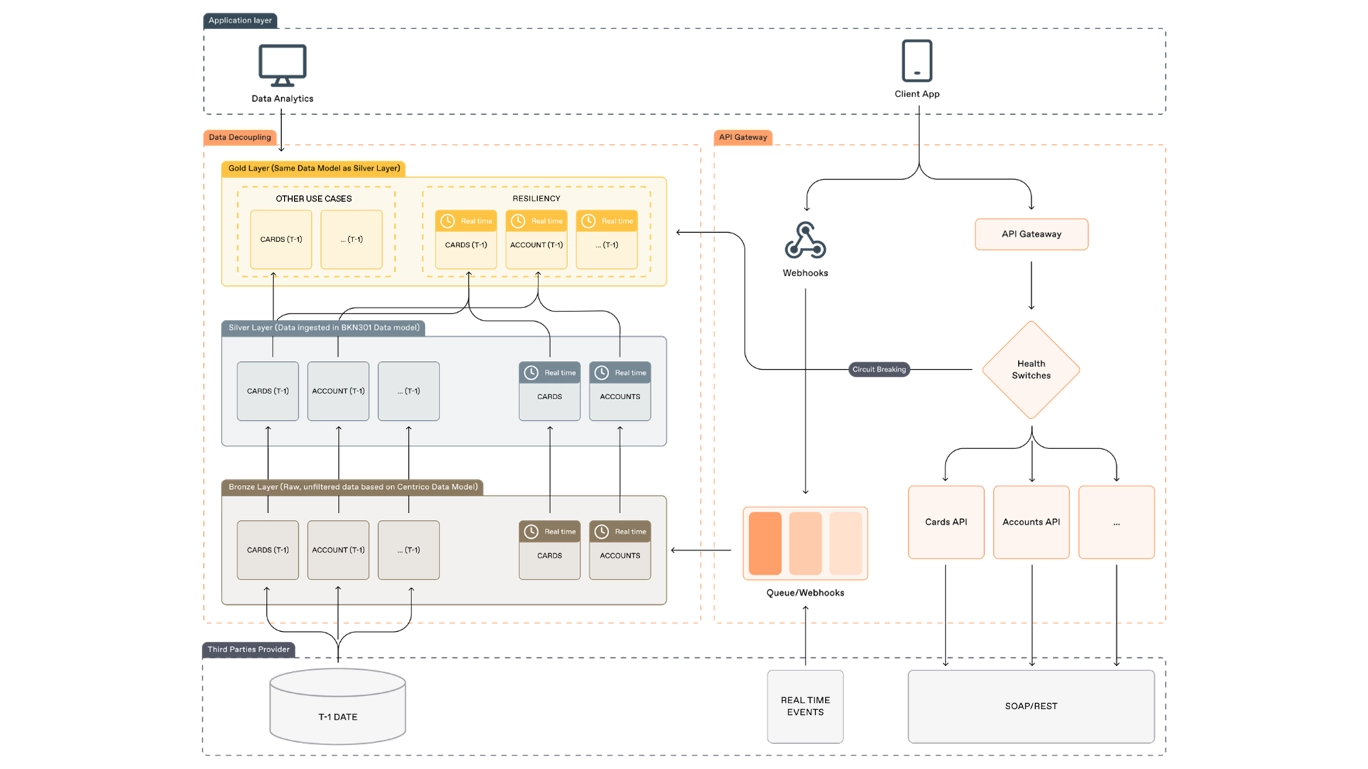
- Data decoupling separates the data layer from the core, so the core keeps handling transactions while new work happens on a trusted, portable foundation.
- A decoupled data layer is the base for composable architecture, better customer experiences and AI without vendor lock-in.
The data challenge behind every modernisation project
Replacing a core banking platform does not fix these issues.
Without a single data foundation, the same trouble just moves elsewhere, and:
- Customer info may stay split.
- Links may still be costly.
- AI work may still struggle with unavailable or inconsistent data.
That is why forward-looking banks treat data decoupling as a key step.
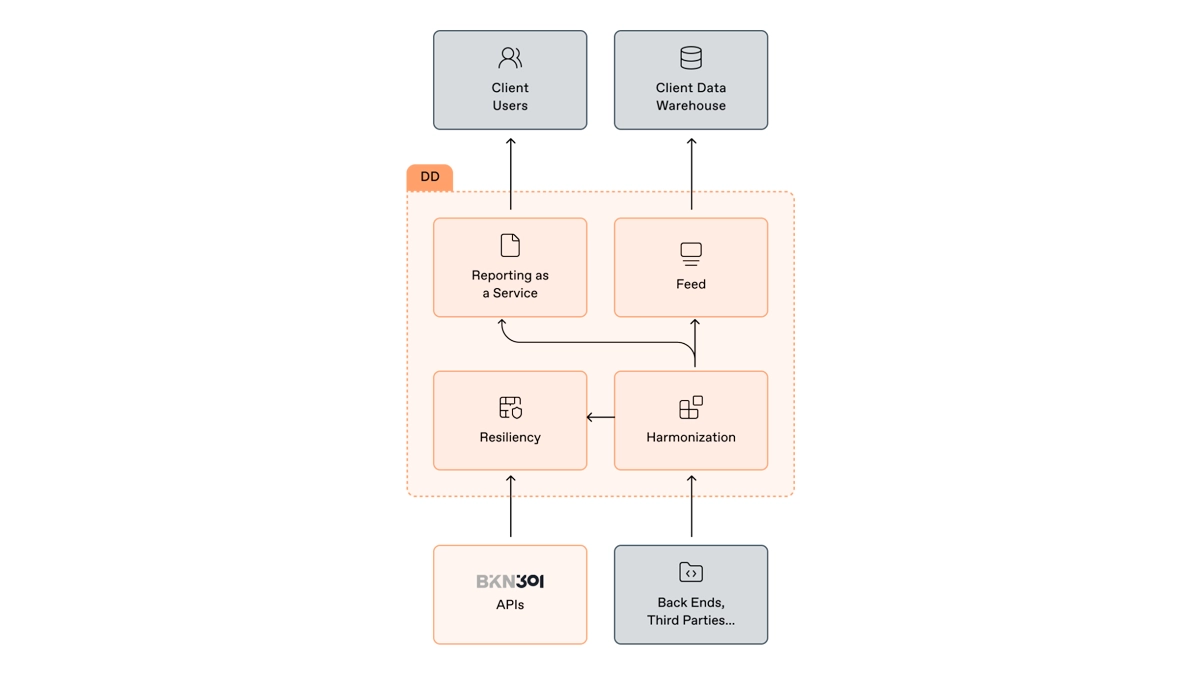
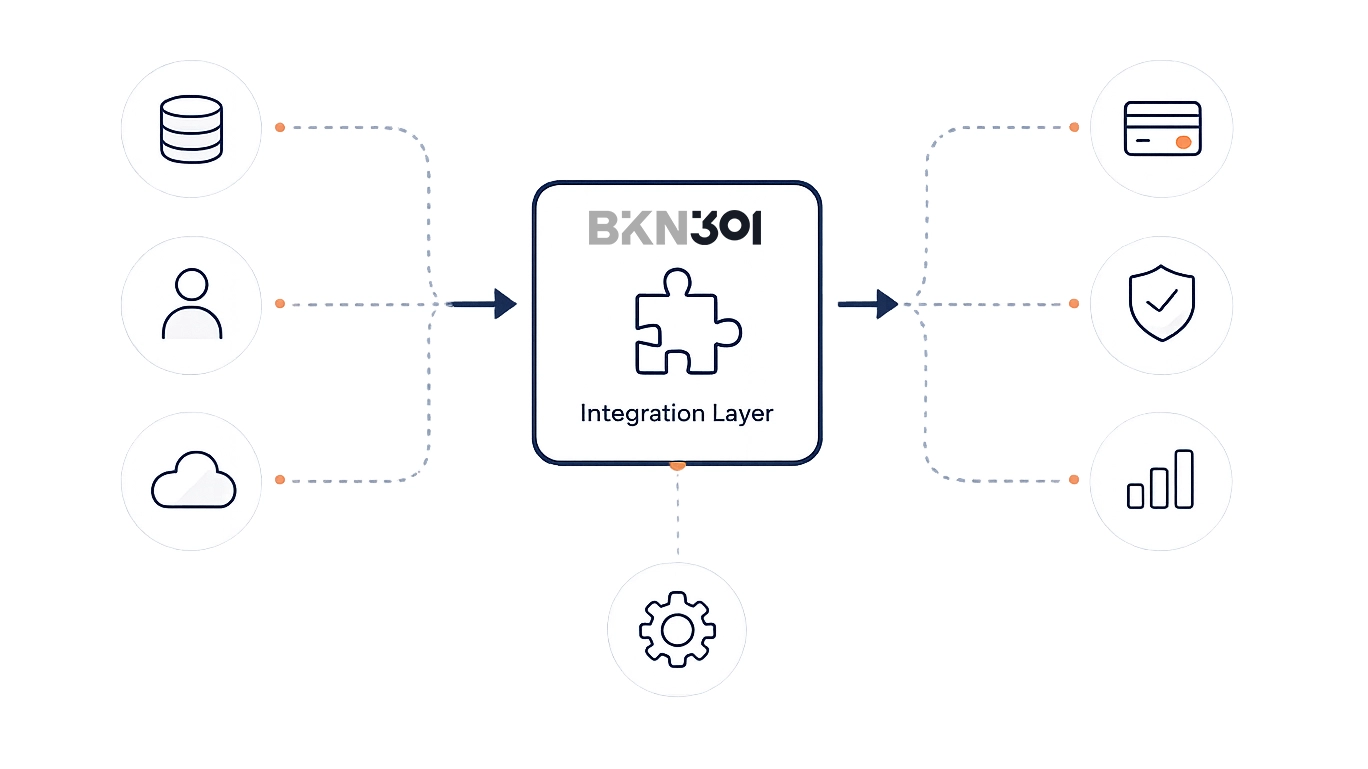
When the data layer is separate from the core banking system, banks get a trusted and portable foundation for all apps, channels, and new tech. The core still handles transactions. New work happens apart. That lowers risk and helps teams ship new products faster.
Data as the base for composable architecture
Data decoupling is not just a tech upgrade. It is the base for composable architecture and intelligent operations:
- Banks can add top services,
- improve customer experience, and
- use AI without being tied to one stack or vendor.
A strong financial data infrastructure makes that possible.
The banks that lead in the next decade will not just be the ones that replace their core systems first. They will be the ones that get the most value from data and use it as the base for steady change.
Read more: The Great Separation. Why banking is quietly decoupling itself and why legacy banking fails the World Cup stress test.
Frequently asked questions about legacy banking and data decoupling
Why is data often a bigger barrier to banking change than the core system itself?
Because customer, product, and operational data is often split across many systems, apps, and channels. Even when a bank replaces its core platform, change can stay slow if teams still have to handle messy data, costly links, and mixed records.
Does replacing a legacy core banking platform solve upgrade issues?
Not by itself. A new core can help, but without one data foundation, the same complexity can move from the old platform to the new one. Customer info may stay split, links may still be costly, and AI work may still face unavailable or inconsistent data.
What is data decoupling in this context?
Data decoupling means separating the data layer from the core banking system. This lets the core keep handling transactions while a more flexible, trusted, and portable data foundation supports new apps, channels, AI projects, and future tech.
How does data decoupling support composable banking?
It gives banks the freedom to connect top services and build better customer experiences without being locked into one stack or vendor. By making data easier to use, banks can move faster and adapt to change.
What will set leading banks apart in the next decade?
Leading banks will not just be the ones that replace their core systems first. They will be the ones that unlock the most value from data and use it as the base for steady innovation.
Originally published by BKN301 on LinkedIn on 24 September 2026.