

Qatar’s fintech sector is entering a new phase. Regulators are actively engaged with the market, capital is flowing into the ecosystem and value is shifting from consumer-facing apps to the infrastructure behind them. In an interview featured in the September 2026 issue of Business Leaders, Stiven Muccioli, Founder and CEO of BKN301, explains why he sees Qatar as one of the most compelling fintech markets in the region.
Key takeaways
- Qatar is leapfrogging traditional financial centres thanks to modern foundations and an engaged regulator.
- The strongest investment opportunities sit in the connective layer: orchestration, real-time payments, financial data and compliance technology.
- Cross-border infrastructure, compliance automation, financial data and real-time operational intelligence remain underappreciated by investors.
- Investors look for resilience and the ability to scale across markets without adding cost and complexity.
- Stablecoins are part of a bigger picture: institutions that can orchestrate digital and traditional finance securely.
From entrepreneur to financial infrastructure
A technology entrepreneur and investor, Muccioli has built, scaled and exited companies across e-commerce and financial services, including Tippest, one of Italy’s leading e-commerce platforms, and Ventis, acquired by Iccrea Banca Group. Those experiences showed him both the power of technology to transform established industries and the complexity that holds financial institutions back, which led him to found BKN301 in 2021.
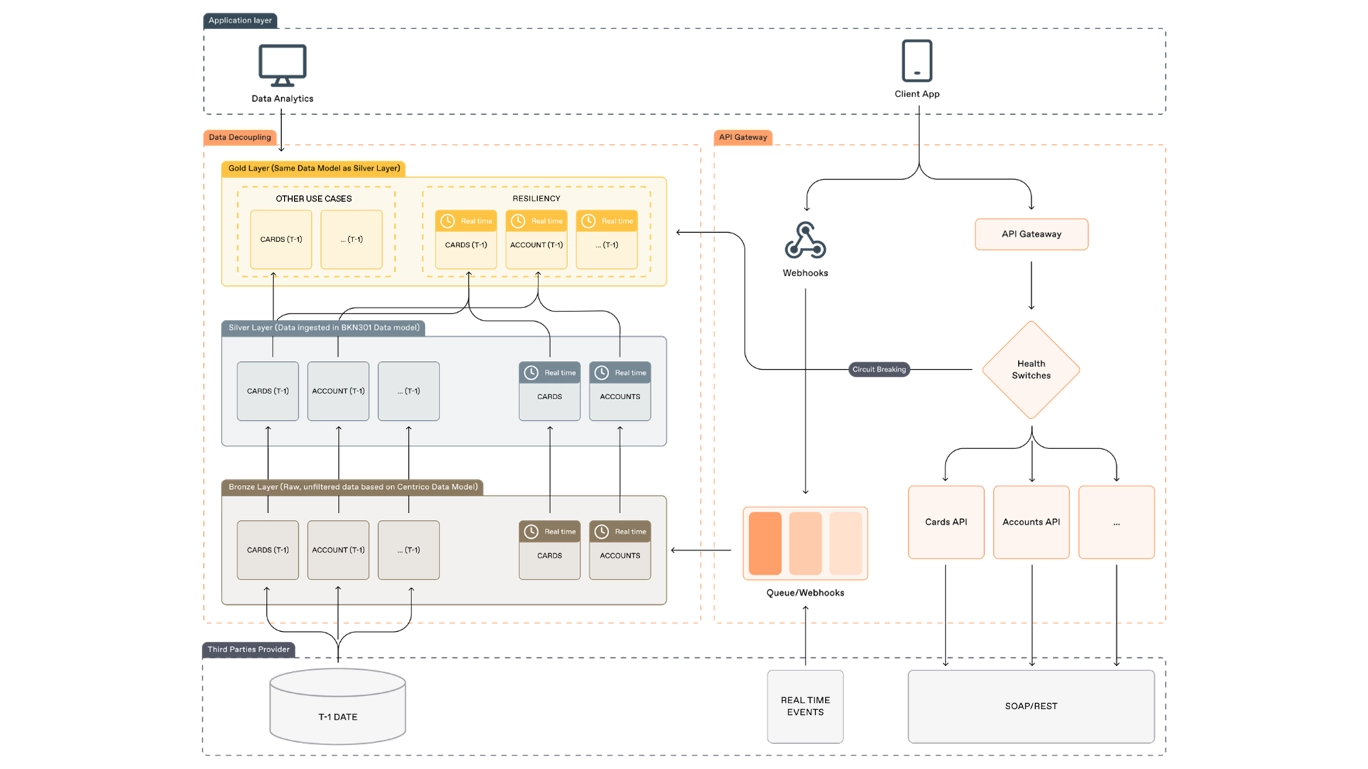
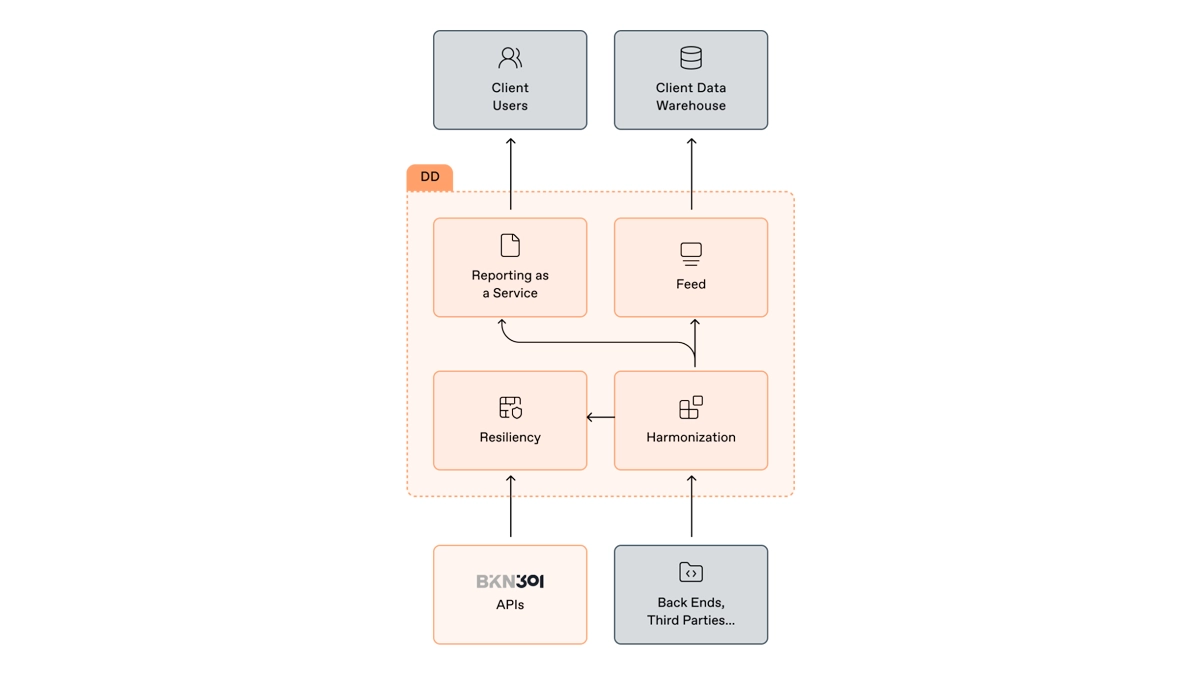
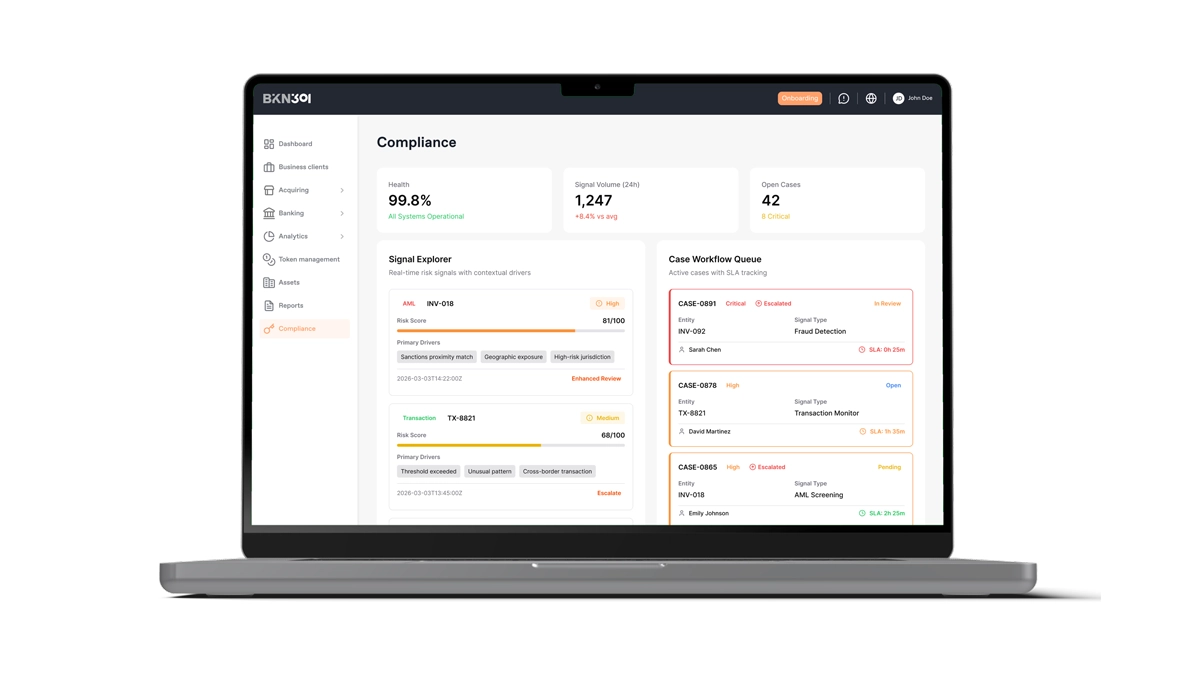
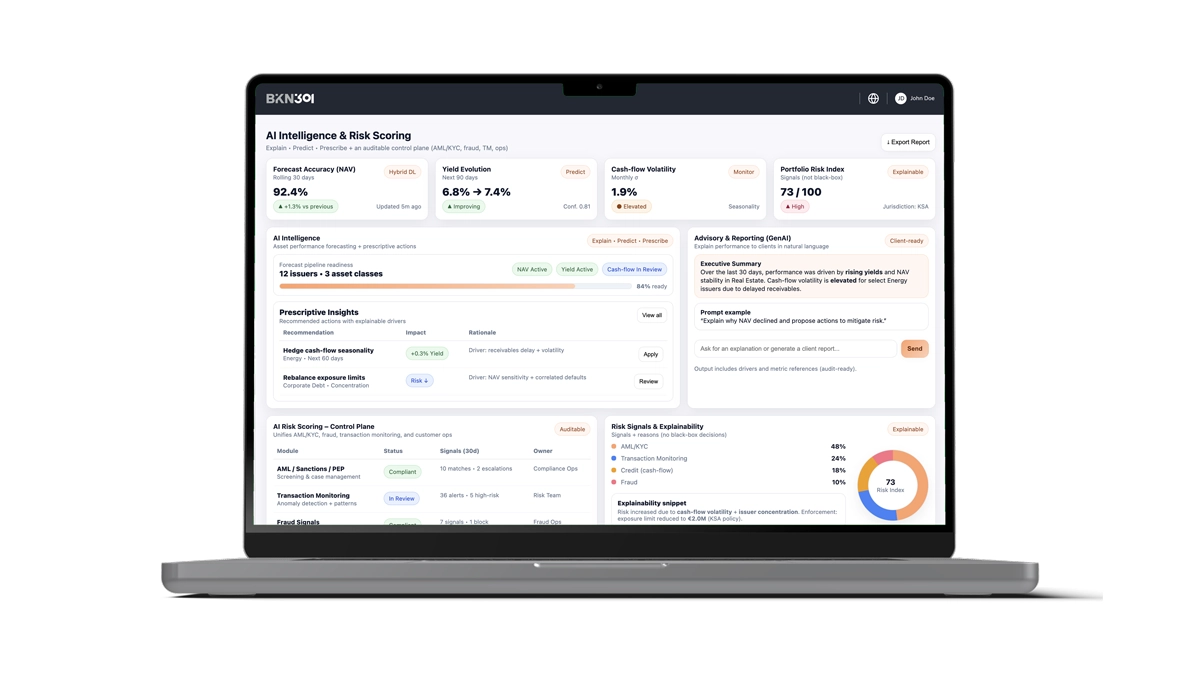
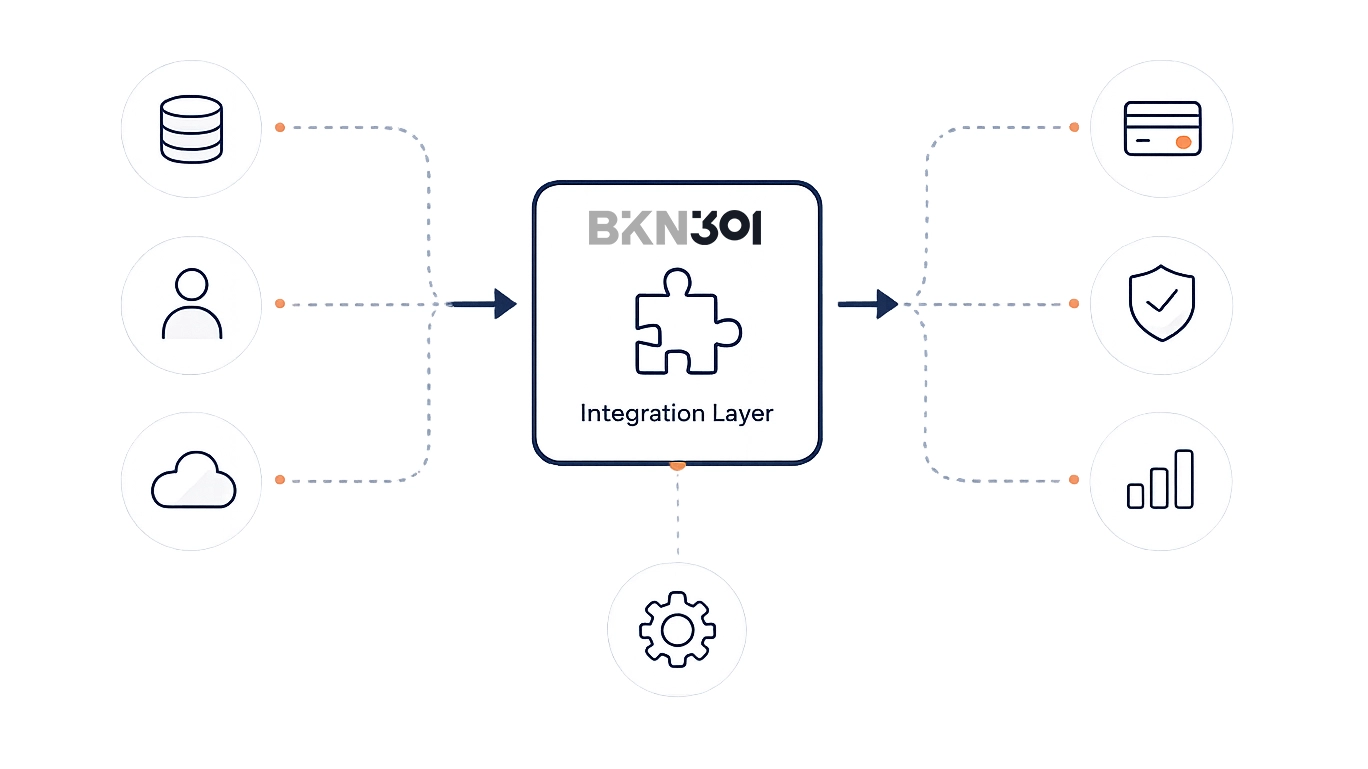
“BKN301 is a financial data infrastructure layer focused on one central problem: complexity that slows execution. We help institutions and newcomers modernise without breaking what already works, so they can launch faster, adapt to regulation more easily, and scale without adding disproportionate cost.”
Today, Muccioli leads both BKN301 and SM Capital, with a focus on financial infrastructure, data and AI-driven platforms, and serves as Special Envoy for Innovation & Economic Development for the Republic of San Marino.
Five lessons for founders seeking venture capital in Qatar
“Qatar is a fascinating, growing market that is, in many ways, leapfrogging other traditional financial centres,” says Muccioli. Unlike older markets weighed down by decades of tech debt and regulatory fragmentation, Qatar has laid the groundwork for firms to scale differently. His advice to founders:
- Understand the direction of travel. Initiatives such as Qatar National Vision 2030 and the Qatar FinTech Strategy define a clear national vision for digital transformation.
- Get the foundations right early. Strong infrastructure, data capabilities and compliance determine whether a business can grow without costs and complexity rising in tandem.
- Build for execution, not experimentation. Investors want to see how an idea can be deployed, scaled and sustained, not just whether it works in a pilot.
- Show how you can scale beyond one market. Qatar acts as a bridge between established financial markets and fast-growing emerging economies.
- Become part of the ecosystem. Programmes such as Startup Qatar, together with government grants and incubation programmes, are deliberately building the country’s VC landscape.
The opportunity sits in the connective layer
Muccioli sees the strongest investment opportunities in Qatar moving towards the infrastructure that allows financial institutions to scale: orchestration platforms, real-time payments infrastructure, financial data layers and compliance technology.
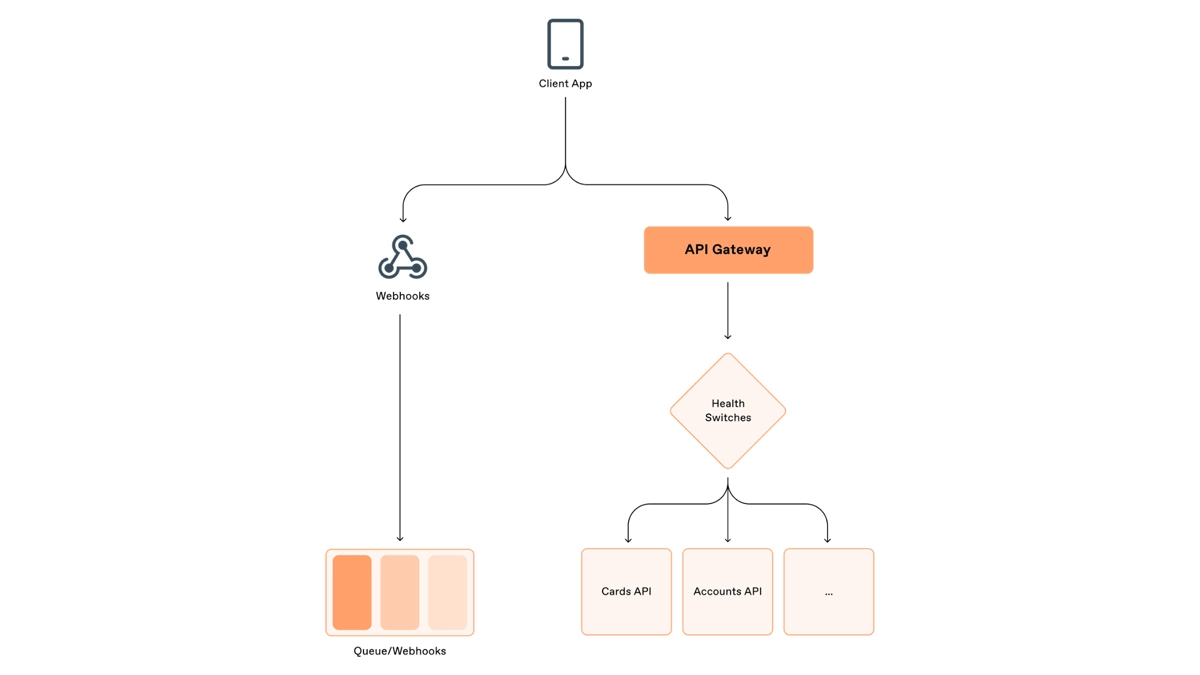
“Companies that can abstract that complexity and allow institutions to add services or enter new markets without rebuilding their architecture each time become increasingly valuable. That is where I think some of the most durable businesses will be built.”
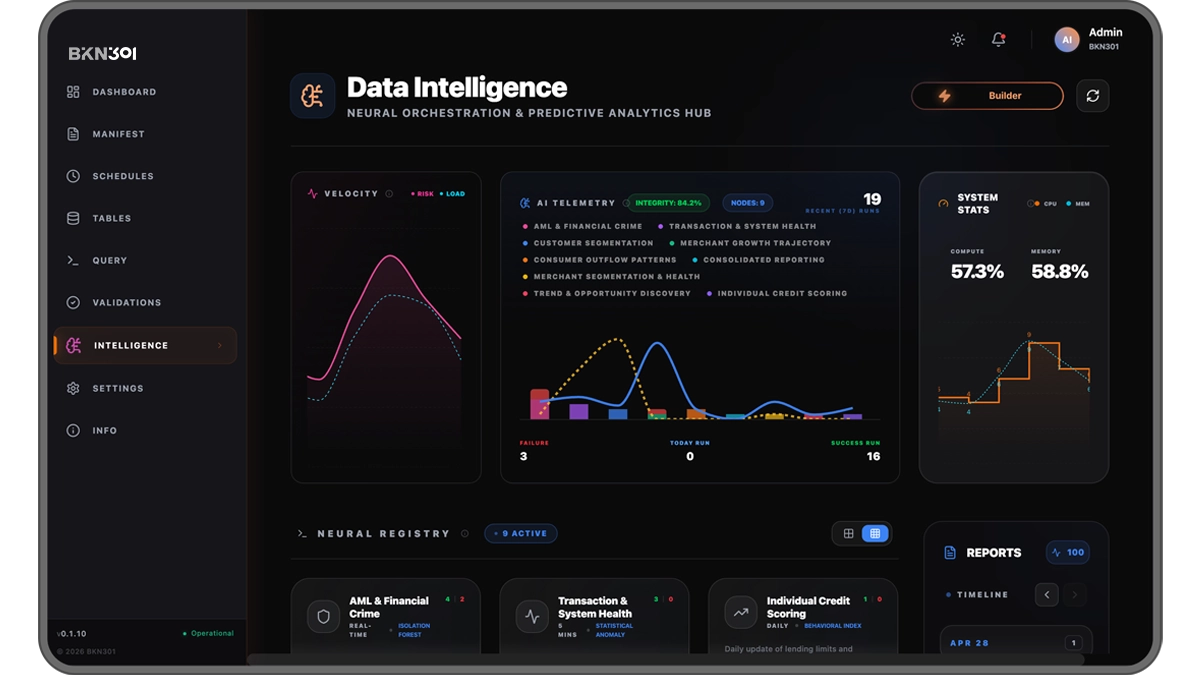
He also points to areas that investors may be underappreciating: cross-border infrastructure, compliance automation, financial data and real-time operational intelligence. “As interoperability becomes more important, there is a growing need for platforms that can connect different banks, payment systems, regulatory environments, and financial workflows without adding another layer of complexity.”
What investors are looking for
Resilience is becoming critical as Qatar’s payment infrastructure handles rapidly growing volumes. According to Qatar Central Bank data cited in the interview, the country’s payment systems processed 75.135 million transactions worth QR99.101 billion in June 2026, up 21% and 40% respectively year on year.
For Muccioli, this is why investors increasingly favour platform models that reuse the same core capabilities, such as payments, onboarding, compliance, risk and data, across different products and markets, rather than adding new systems and overhead with every launch.
Stablecoins as part of a bigger picture
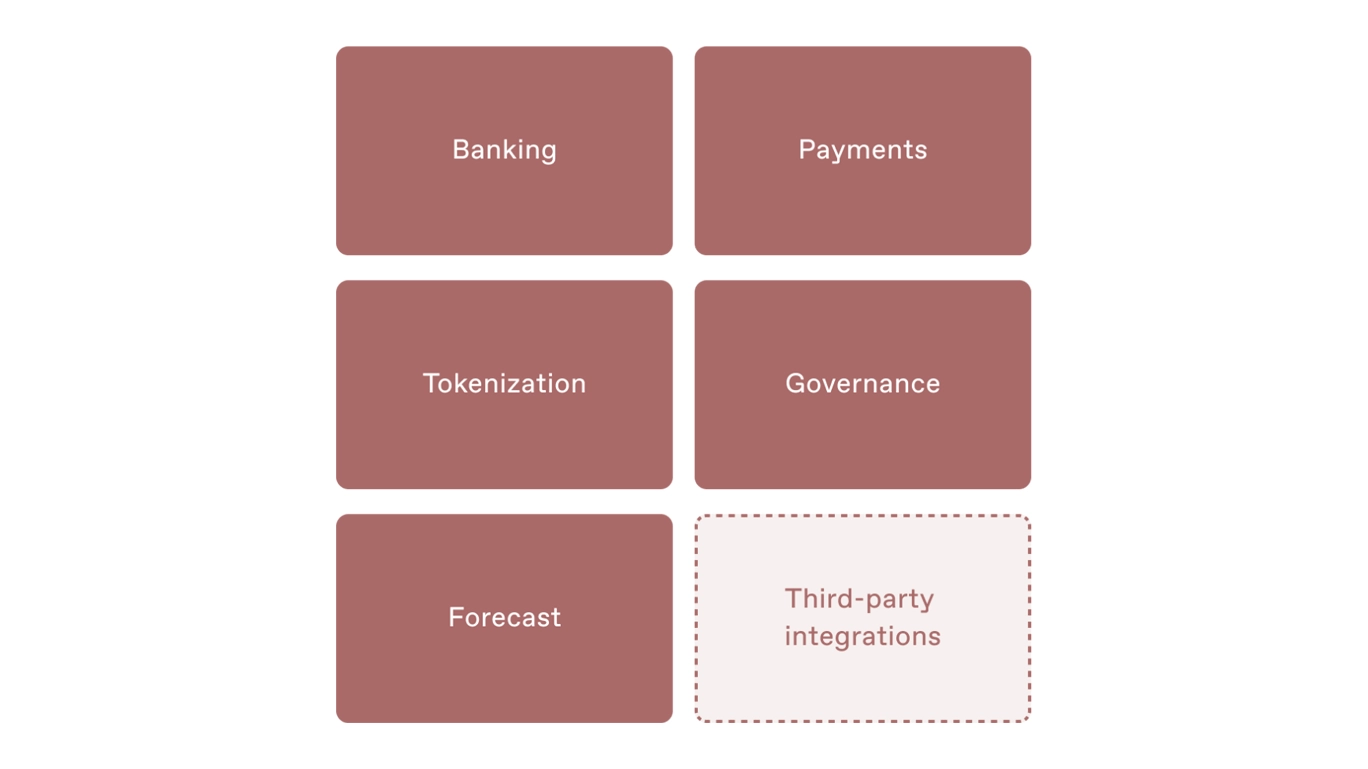
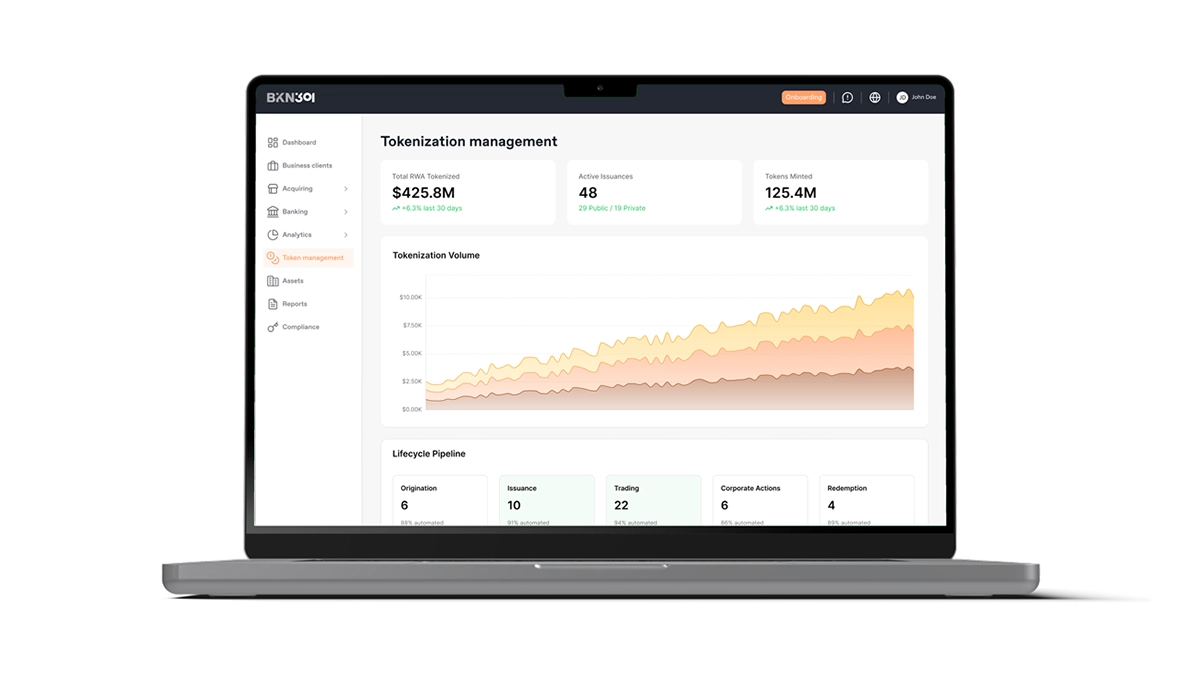
Stablecoins and most cryptocurrencies are currently excluded from permitted activity within the Qatar Financial Centre under the Digital Assets Framework. However, the country has taken a more proactive approach to the tokenisation of regulated, real-world assets. For Muccioli, the immediate opportunity lies in preparing financial infrastructure for a world in which traditional money and tokenised assets increasingly coexist, where trusted data, governance, interoperability and compliance matter as much as the technology itself.
“Stablecoins, at this stage, are part of a much bigger picture. This picture is being painted around institutions that can orchestrate digital and traditional finance securely and seamlessly.”
Originally published by Business Leaders in the September 2026 issue (Issue 19).