
Market insights curated by BKN301’s Product Marketing team.
A villa in a Dubai suburb sold out to 169 investors from 40 countries in under five minutes. Not because of a marketing campaign, but because it had been split into digital tokens anyone could buy a slice of. That’s not a thought experiment. It happened during the Dubai Land Department’s tokenization pilot (2025–2026).
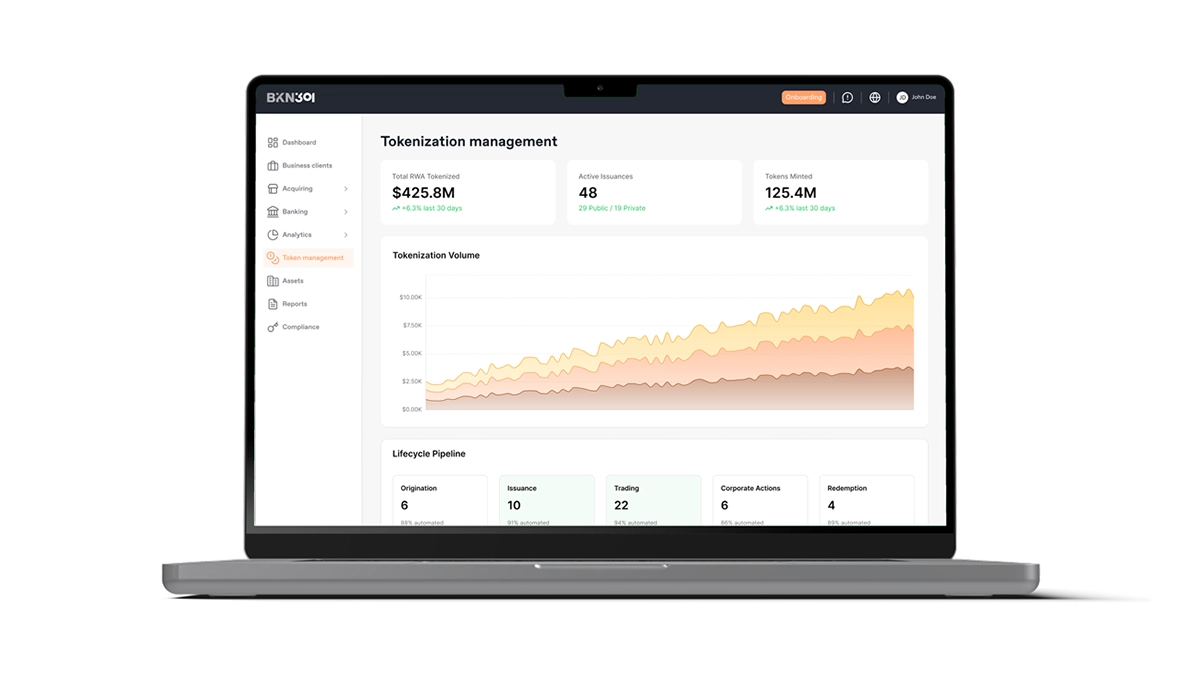
Tokenization has quietly moved from blockchain conference slides into live regulatory frameworks, real registries, and real settlement rails. Here’s what the data actually says about where it’s headed, and why the Gulf has become one of the most interesting places to watch it unfold.
Why market forecasts for tokenization vary so widely
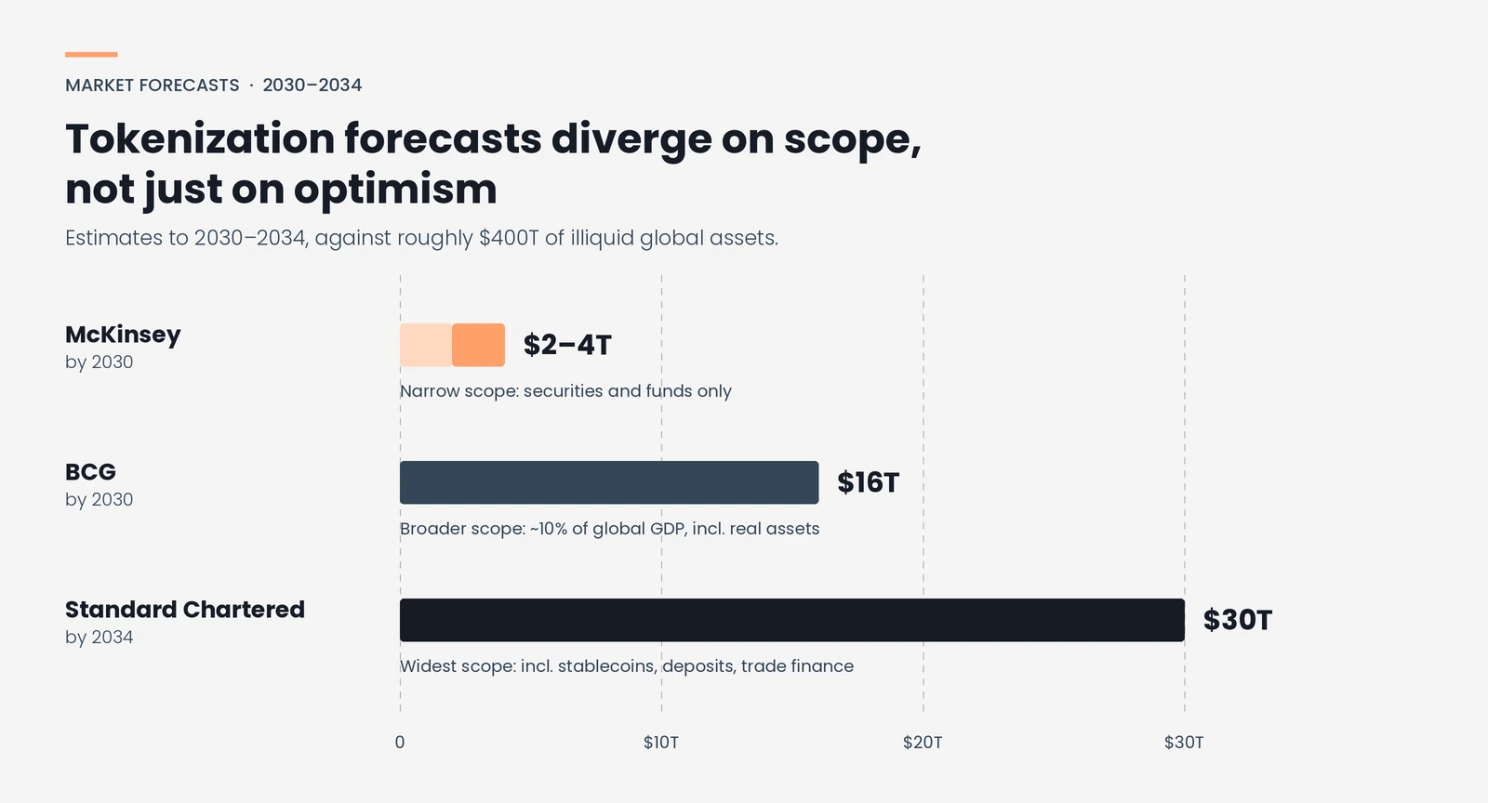
Ask five analysts how big tokenization will be by 2030, and you’ll get five different numbers. Boston Consulting Group’s often-cited figure is $16 trillion, roughly 10% of global GDP. McKinsey lands more conservatively at $2–4 trillion. Standard Chartered goes further out, projecting $30 trillion by 2034. The gap isn’t just optimism versus caution; it comes down to what’s being counted. Include stablecoins and deposits, and the number balloons. Focus narrowly on securities and property, and it shrinks. Either way, the direction is the same: a meaningful slice of the roughly $400 trillion in illiquid global assets (real estate, private credit, infrastructure) is expected to find its way onto programmable, tradable rails this decade.
Saudi Arabia: building the regulatory and digital infrastructure for tokenization at scale
The Kingdom’s digital economy is projected to reach $133 billion by 2030, and non-cash transactions already sit above 79% of retail volume, a target Vision 2030 hit two years ahead of schedule. That’s the foundation. On top of it, tokenization-specific activity is accelerating: one estimate puts Saudi Arabia’s tokenization market at roughly $96 million in 2024, growing toward $440 million by 2030. More telling than the market-size figure is the ambition behind it: a $12.5 billion mandate has already been committed to tokenizing Saudi real estate, with plans to extend into energy and infrastructure, and stablecoin-settled property transactions targeted to go live before the end of 2026. The regulatory groundwork (SAMA and CMA sandboxes, open banking licensing that only began issuing this year) suggests this is being built as durable financial infrastructure, not a side experiment.
The UAE: an early operating model for regulated, registry-linked tokenization
A few hundred kilometers away, Dubai offers a working case study. The Dubai Land Department, together with VARA and the Central Bank, ran a pilot tokenizing ten properties worth over $5 million, denominated entirely in dirhams rather than crypto, a deliberate choice to keep it approachable for mainstream investors and regulators. By February 2026, that pilot graduated into a regulated secondary market, letting roughly 7.8 million property tokens trade hands. DLD now projects the tokenized real estate market could reach AED 60 billion by 2033, about 7% of all Dubai property transactions. It’s a useful signpost for the wider region: tokenization gains traction fastest when it’s paired with a registry, a regulator, and a banking layer that all agree on what a token legally represents.
The overlooked bottleneck: interoperability with regulated financial infrastructure
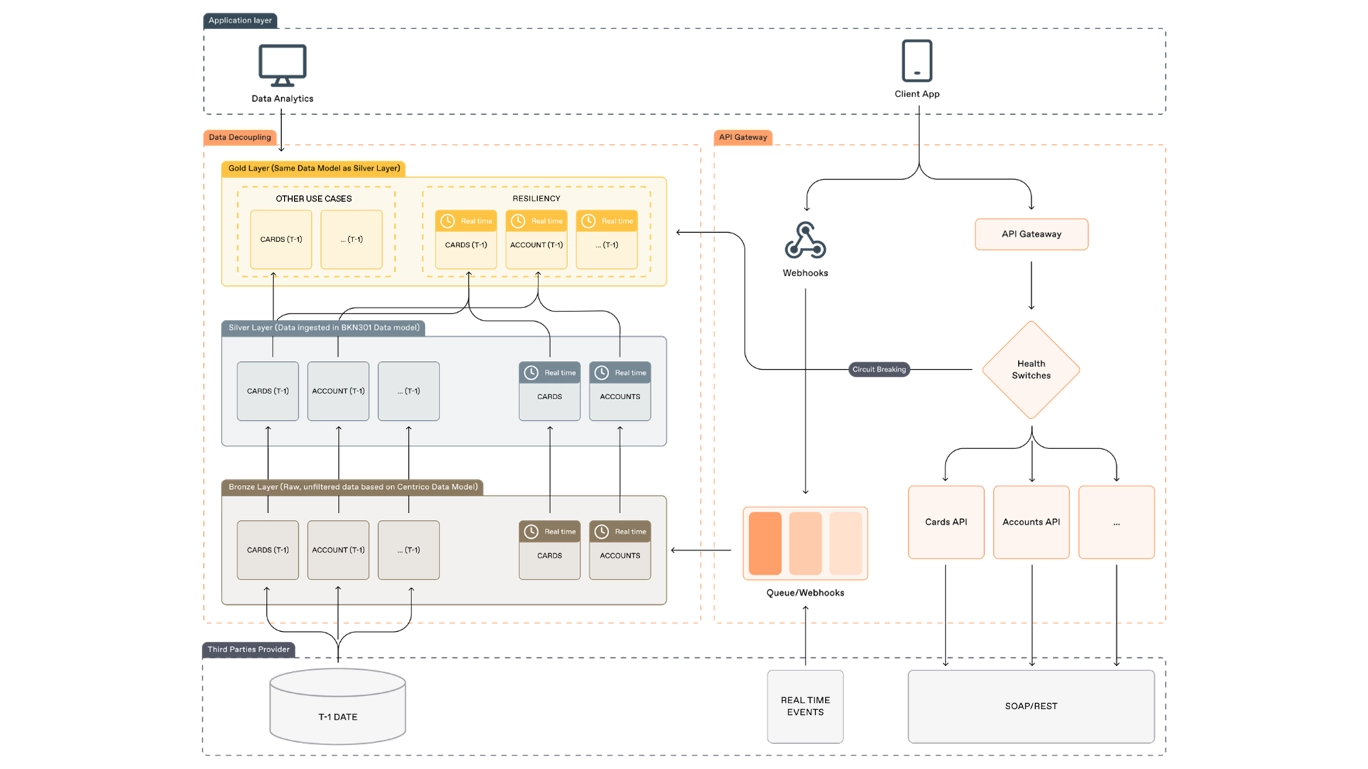
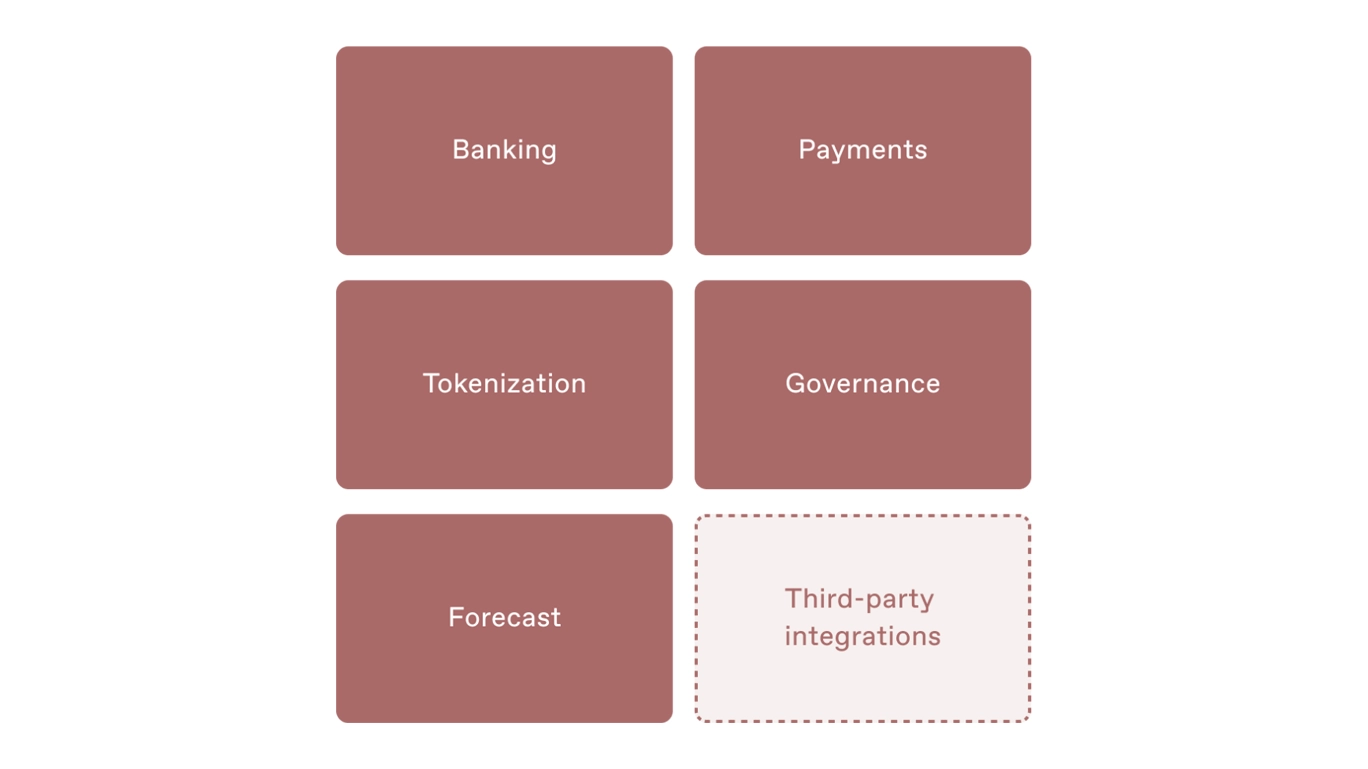
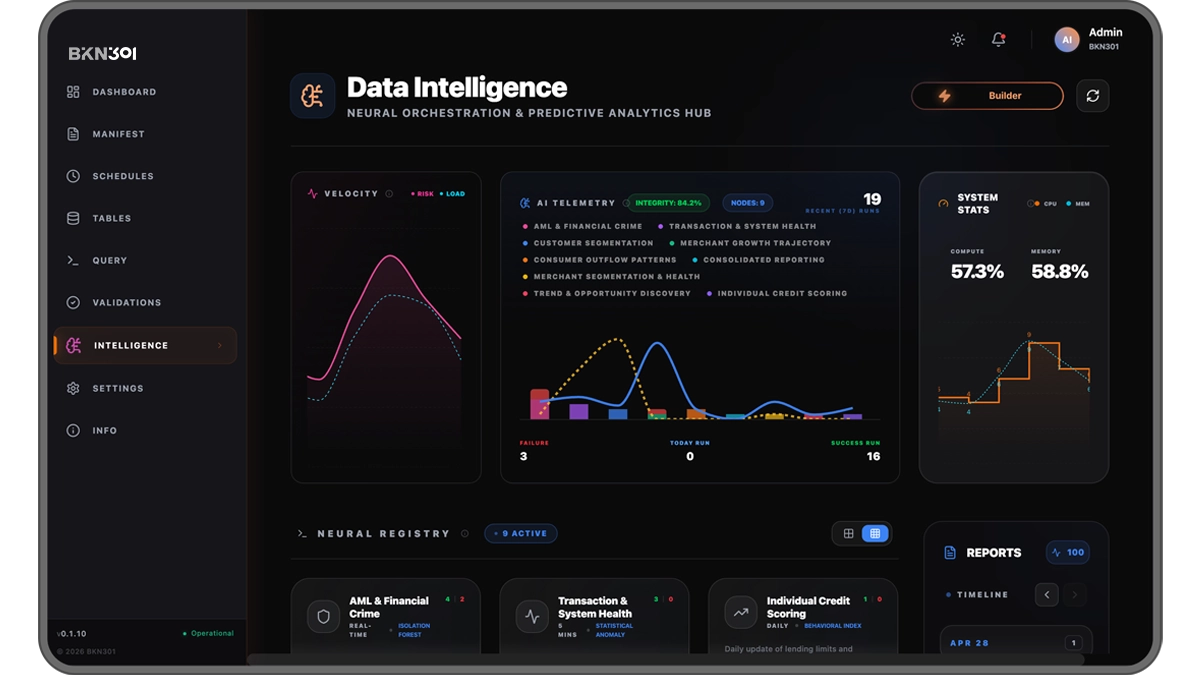
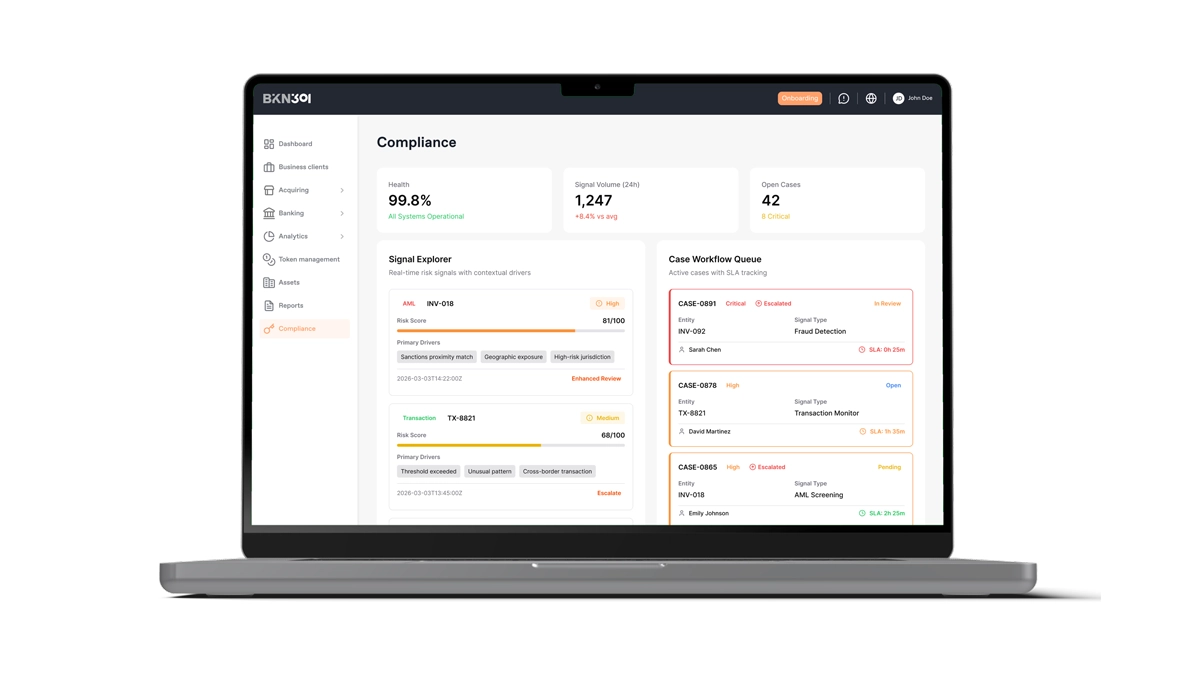
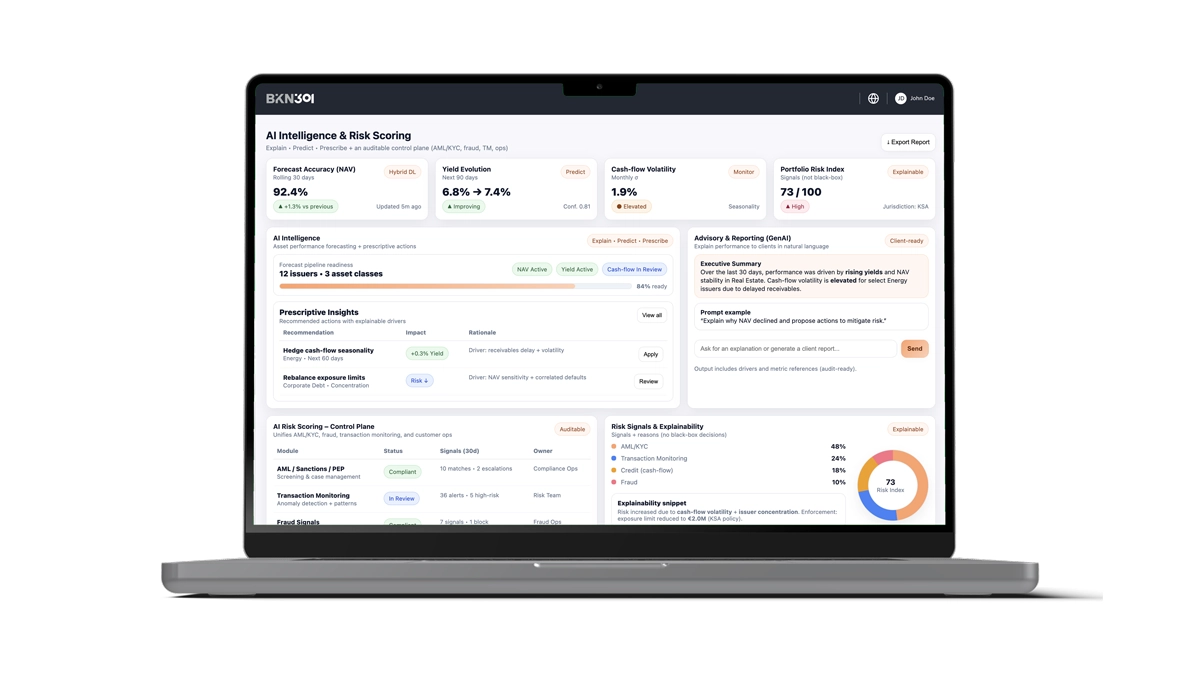
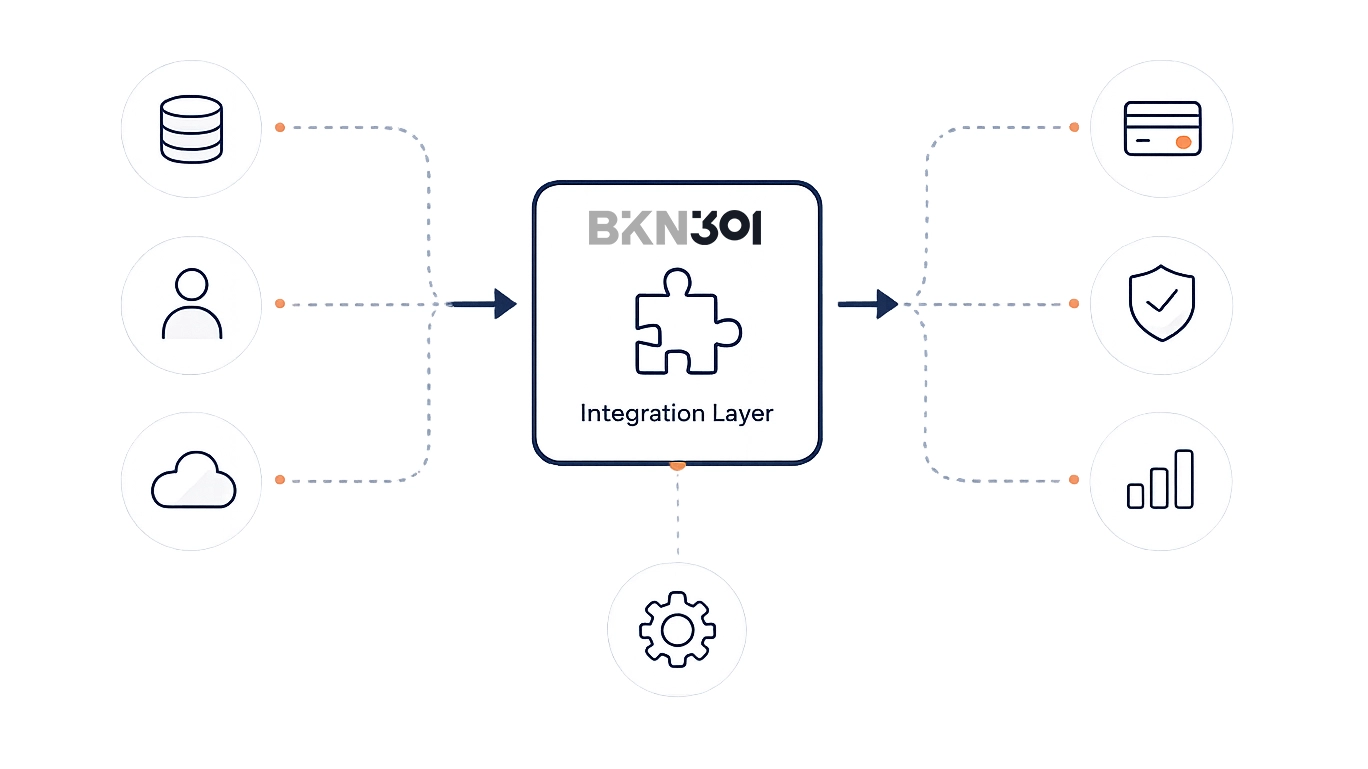
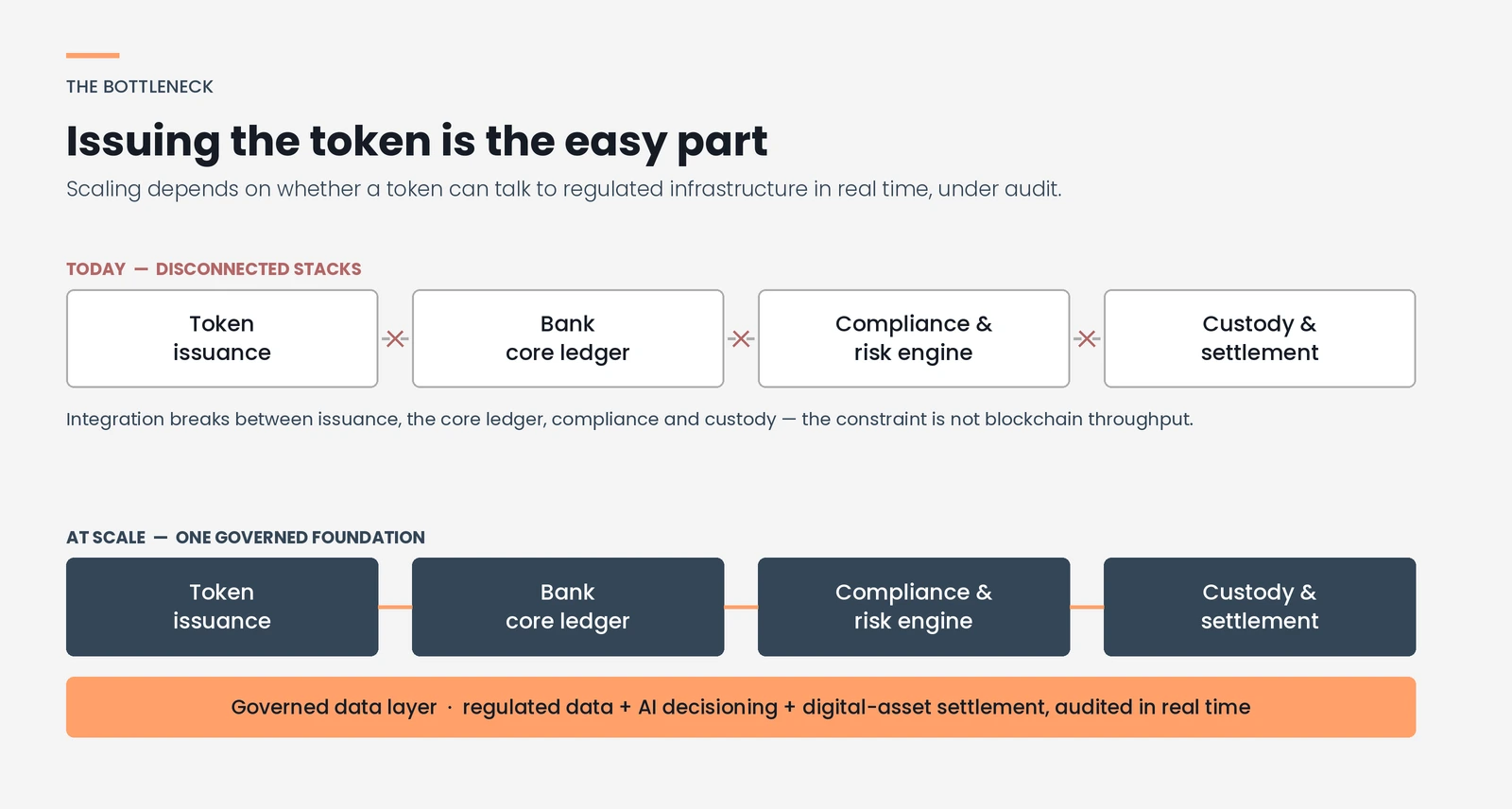
Every one of these pilots runs into the same quiet obstacle. Issuing a token is the easy part. Making that token talk to a bank’s core ledger, a compliance engine, a credit model, and a custodian, in real time and under audit, is where most projects actually get stuck. As tokenized assets move from pilot to scale, the binding constraint won’t be blockchain throughput. It will be whether regulated data, AI-driven decisioning, and digital asset settlement can operate on the same governed foundation instead of three disconnected stacks.
Read more: Why tokenisation is becoming essential for digital banking.
Outlook: what determines whether tokenization scales past the pilot stage
The direction of travel is clear: real-world assets are being represented digitally, fractionalized, and settled faster than traditional rails allow. The open question for 2026–2030 isn’t whether tokenization happens; the pilots, mandates, and regulatory sandboxes across the Gulf and beyond suggest it already is. It’s which markets build the connective infrastructure fast enough to turn early pilots into everyday financial plumbing.
Sources
- Dubai Land Department, Real Estate Tokenization Project; TheBlock Advisory, “Tokenizing Real Estate in Dubai”, July 2026: theblockadvisory.com
- Nadcab, “Dubai Real Estate Tokenization is Now Live”, February 2026: nadcab.com
- Saudi Central Bank (SAMA) digital payments reporting, 2026; Grand View Research, “Saudi Arabia Tokenization Market Outlook 2025–2030”
- CoinDesk, “Saudi Arabia is tokenizing its multi-trillion-dollar economy”, May 2026
- Additional background from the Saudi Capital Market Authority (CMA) and the Virtual Assets Regulatory Authority (VARA)
This article was originally published in BKN301’s LinkedIn newsletter, Pulse of Fintech, on 3 September 2026.