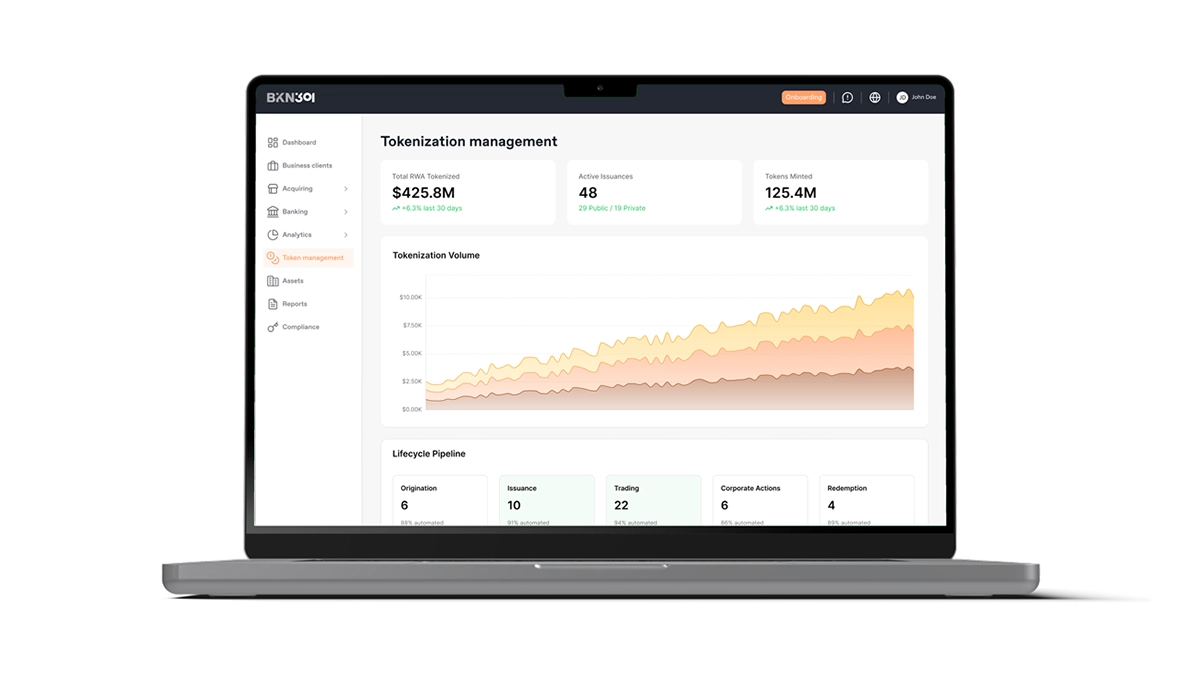

Asset tokenization turns rights to real-world or financial assets into blockchain records. These records can be issued, moved, serviced, and audited with software. Teams usually use a mix of digital asset platforms, compliance engines, custody systems, smart contract standards, and distribution networks. The right stack depends on the asset. You may tokenize securities, funds, real estate, commodities, private credit, loyalty assets, or ops records.
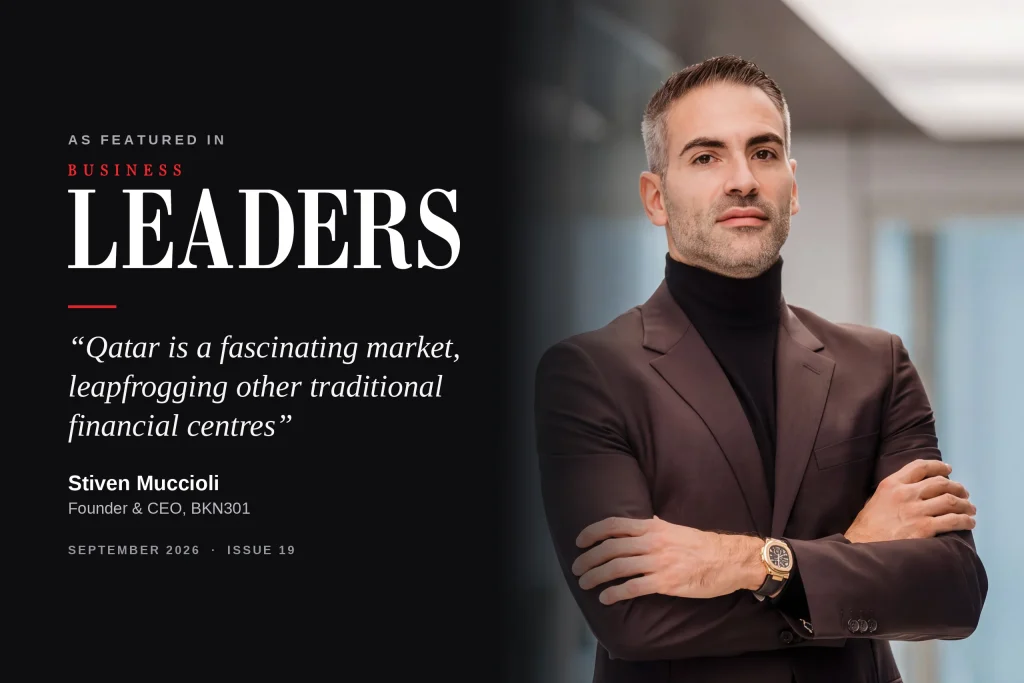
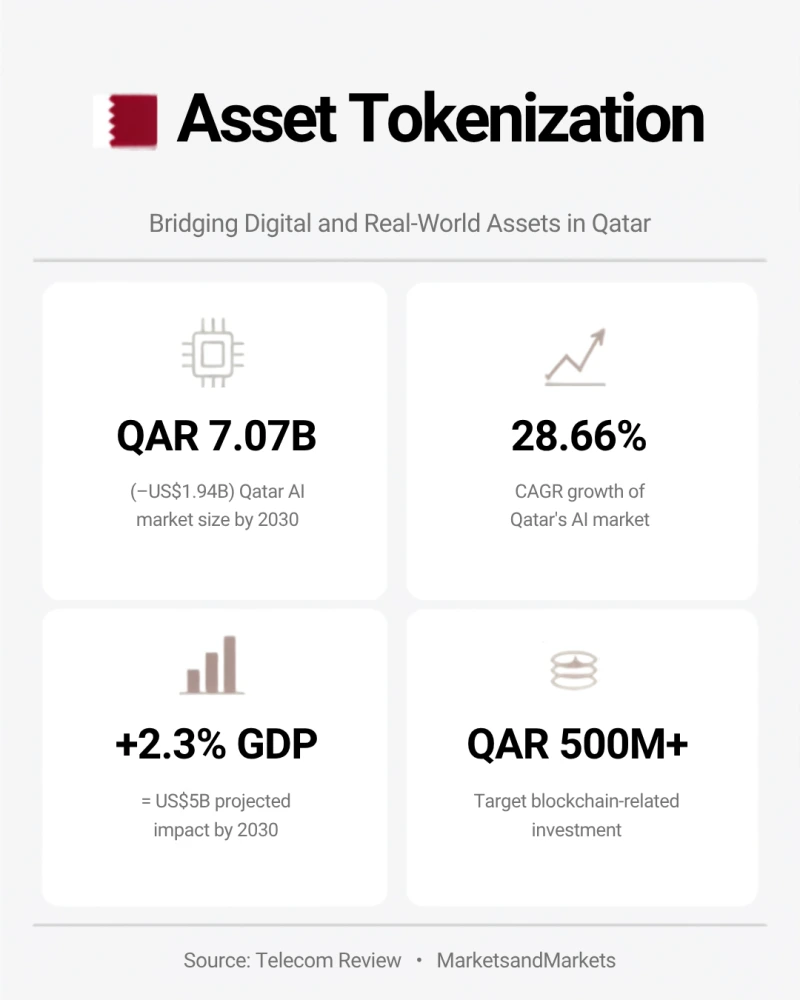
In Qatar, the digital assets market is growing fast. The country’s AI market may reach QAR 7.07 billion, or about $1.94 billion, by 2030, at a CAGR of 28.66%. That growth comes from healthcare, finance, and energy, where tokenizing tools are gaining ground. New rules, including a draft Real Estate Tokenization Law, show support for a strong, governed blockchain setup. This also points to more AI infrastructure, financial data infrastructure, and trusted data use.
Key takeaways
- Asset tokenization turns rights to real-world or financial assets into blockchain records that can be issued, moved, serviced and audited with software.
- The right tokenization platform depends on the asset’s legal rules, the investor path and the work needed after launch.
- Commercial real estate, funds and private credit are strong use cases; commodities, invoices, carbon assets and IP rights need careful verification.
- Qatar combines fast AI market growth, a QAR 500 million+ blockchain investment target and a draft Real Estate Tokenization Law.
Which platform type fits your asset?
The best asset tokenization platforms match the law, the investor path, and the work after launch. A tokenized bond, for example, needs more than a minting tool. It may need transfer-agent work, investor fit checks, corporate-action handling, custody controls, and a path to compliant secondary trading.
Given Qatar’s push to attract over QAR 500 million in blockchain investment, firms that use tokenization in this market may see strong upside. They can build on regulated banking rails, composable infrastructure, and trusted data.
The forecast also suggests that Qatar’s AI apps, combined with tokenization tech, could lift GDP by about 2.3%, or roughly $5 billion, by 2030. That gives room for firms that pair digital assets with intelligent operations.
Practical use cases for tokenized assets
Commercial real estate is a common use case. Ownership is often illiquid, paper-heavy, and limited to a small investor base. Asset tokenization can support fractional ownership, automated investor records, digital sign-up flows, and wider secondary-market access where rules allow.
Funds and private credit are also a strong fit. Tokenization can simplify investor onboarding, position tracking, distribution records, and collateral mobility. For asset managers, the goal is not just putting a fund on-chain. It is improving how ownership, servicing, and settlement work across middlemen. This is where governed workflows and financial data infrastructure matter.
Commodities, invoices, carbon assets, and intellectual property rights can also be tokenized. Each one has legal and verification risks. The hard question is not whether a token can be made. It is whether the off-chain asset, legal claim, custody setup, and data source can be trusted.
The takeaway
The main tools for asset tokenization include regulated issuance platforms, blockchain networks, token standards, custody providers, compliance engines, marketplace links, and compatibility networks. Examples such as Securitize, Tokeny, Fireblocks, Hedera, and Ownera show how different layers solve different problems.
For enterprises, the best path is to start with the asset’s legal rules, investor experience, and lifecycle work. Once those are clear, the tech choice is simpler: pick tokenization tools that make the asset compliant, secure, easy to service, and ready for real market use.
Read more on tokenization in the region: Saudi Arabia and Tokenisation: A Market Outlook to 2030 and Hadron by Tether, FirstData and BKN301 advance institutional tokenization in Saudi Arabia.
Frequently asked questions about asset tokenization
Why does asset tokenization require more than just creating a token on a blockchain?
Because the token must stand for a real legal or financial right, not just a digital record. Depending on the asset, issuers may also need investor onboarding, KYC and AML checks, custody controls, transfer limits, reporting, servicing workflows, and compliant secondary-market access.
Which asset types are especially suitable for tokenization?
Commercial real estate, funds, and private credit are strong use cases because they often have complex ownership records, low liquidity, and many middlemen. Commodities, invoices, carbon assets, and intellectual property rights can also be tokenized, but they need careful checks on the asset, legal claim, custody setup, and data source.
How should an enterprise choose the right tokenization platform?
Start with the asset’s legal rules, investor experience, and lifecycle work. Once those needs are clear, choose the right mix of issuance platforms, blockchain networks, custody providers, compliance engines, marketplace links, and compatibility tools.
Why is Qatar presented as an important market for tokenization?
Qatar is described as a fast-growing digital-assets and AI market, backed by AI growth forecasts, blockchain investment goals, and legal steps such as a draft Real Estate Tokenization Law. These signs point to a friendly setting for tokenization solutions.
What role do compliance and identity layers play in tokenized assets?
Compliance and identity layers help tokenized assets follow legal and regulatory rules. They can enforce KYC, AML, accredited-investor rules, local limits, holding periods, and wallet whitelisting, which makes the asset more suitable for real-world use.
Sources
- Telecom Review Middle East, “Qatar’s AI Market Projected to Hit USD 567 Million in 2025”
- MarketsandMarkets, “Qatar Agentic AI Market Size, Share, Trends, Growth Analysis Report, 2030”
Originally published by BKN301 on LinkedIn on 16 September 2026.