

More than 30% of Mastercard ‘s global transactions are now tokenised, driving tokenised payments at global scale. Visa also reports that payment tokenisation can reduce e-commerce fraud by 35% and increase authorisation rates by nearly five percentage points compared with traditional card credentials.
These figures show that tokenisation has become part of the invisible infrastructure powering modern digital finance.
Customers do not ask whether their payments use payment tokenisation. They simply expect every transaction to be secure, seamless and immediate.
Tokenisation is no longer just about security
Card tokenisation replaces sensitive information, such as a card number, with a unique digital token. Because the token has no exploitable value outside its authorised context, payment credentials remain protected without creating additional friction.
Today, tokenisation supports:
- One-click payments
- Digital wallets
- Card-on-file services
- Embedded finance
- Subscription payments
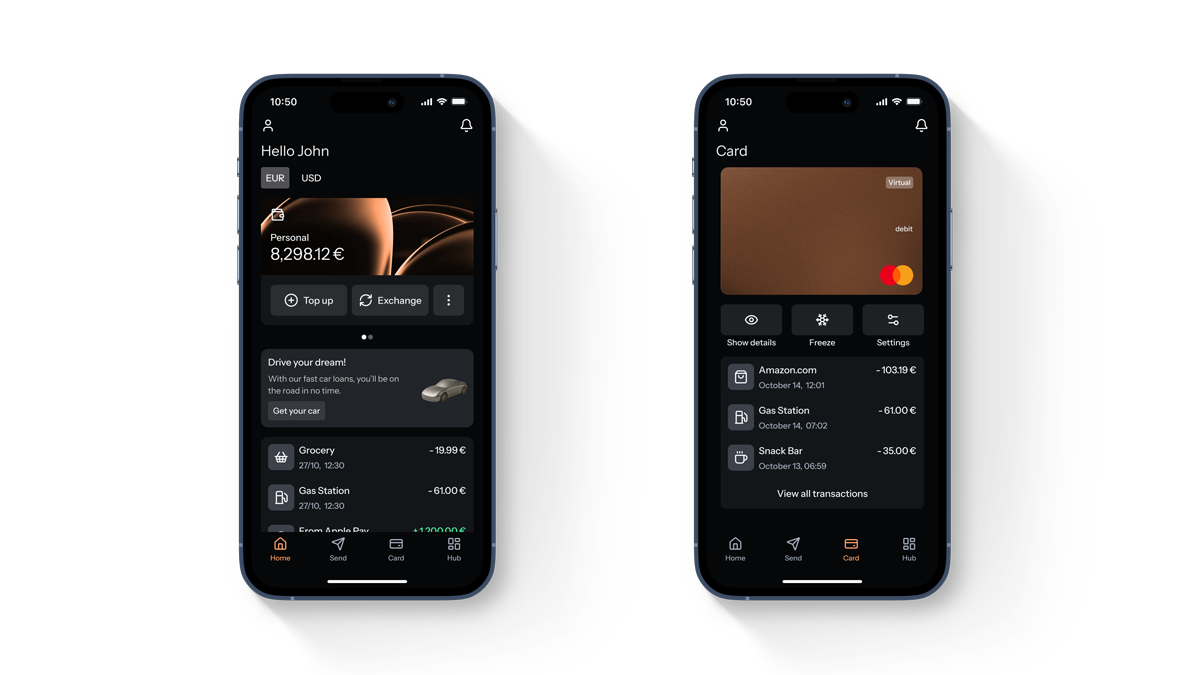
All without customers noticing the infrastructure behind them. In practice, card tokenisation and tokenised payments make checkout faster while keeping data secure.
How is tokenisation different from encryption?
Tokenisation and encryption both protect sensitive information, but they work differently.
Encryption transforms data into unreadable ciphertext that can be restored using a decryption key. Tokenisation replaces the original information with a token that has no mathematical relationship to it. The original value can only be retrieved through the authorised tokenisation system.
In digital banking, payment tokenisation and encryption often work together. Encryption protects data during storage and transmission, while tokenisation limits the exposure of payment credentials during transactions.
What infrastructure powers secure digital payments?
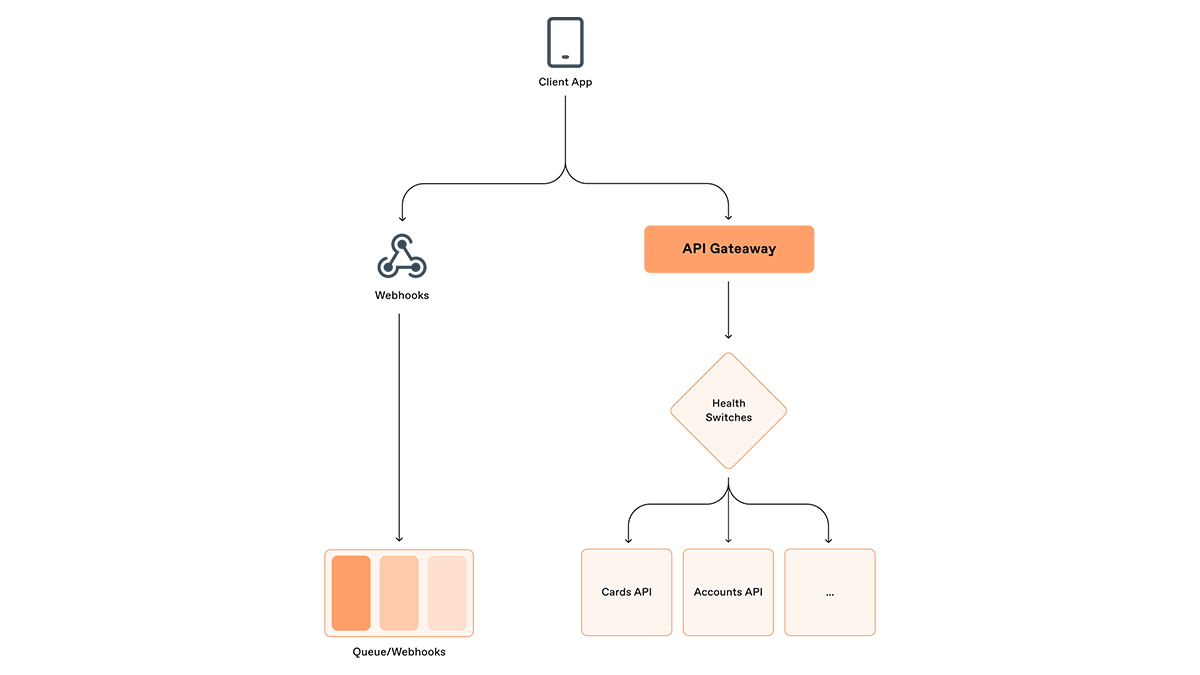
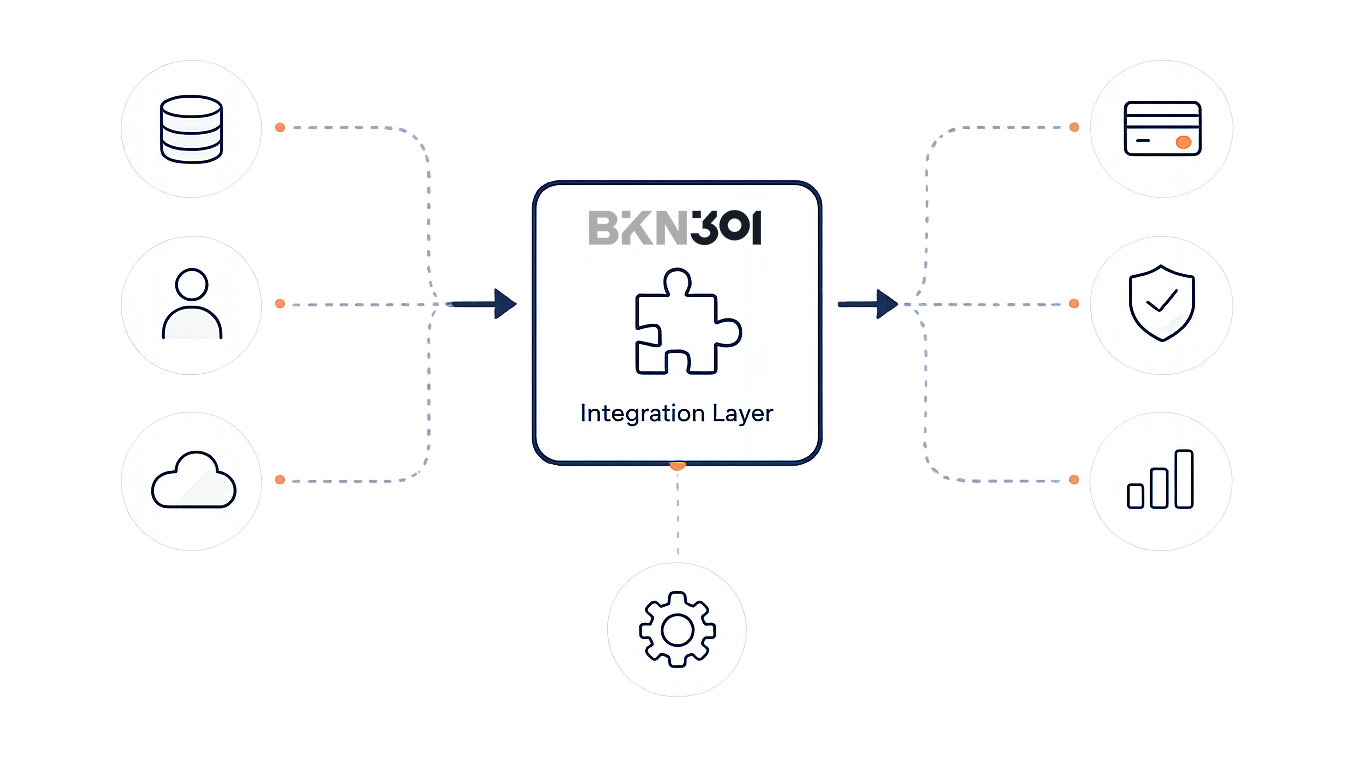
Behind every seamless payment, financial institutions coordinate token validation, fraud detection, risk analysis, authorisation, API orchestration and system connectivity within milliseconds.
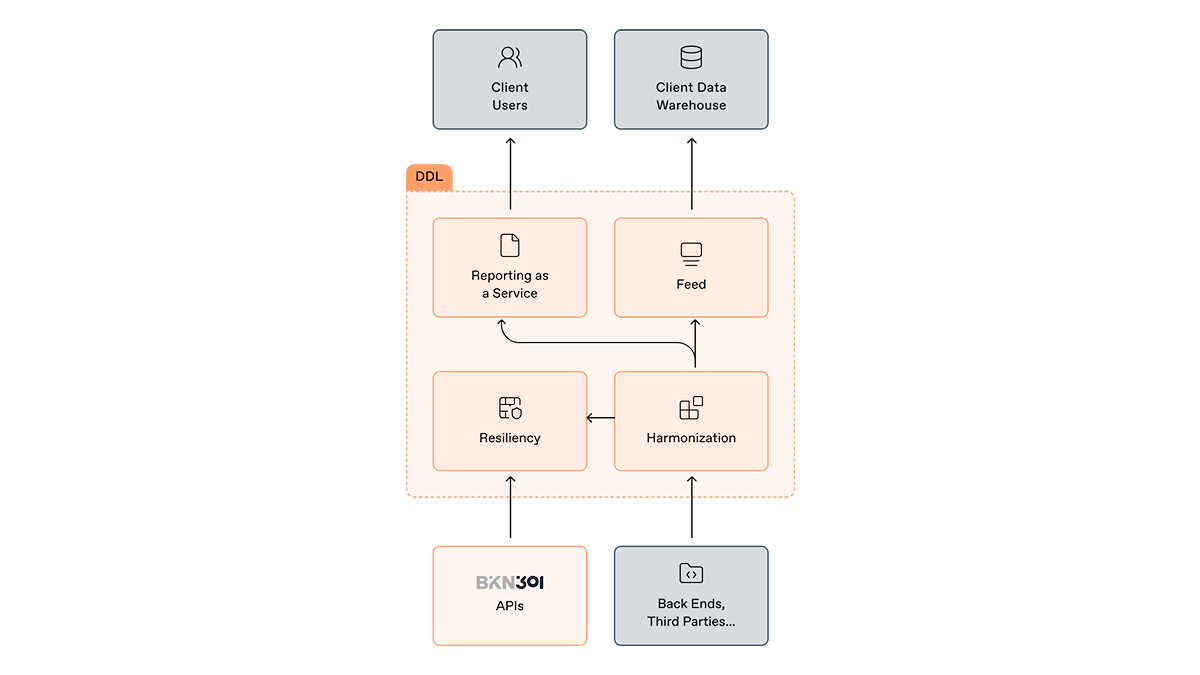
This infrastructure must process growing transaction volumes without placing unnecessary pressure on core systems. Through caching and architectural decoupling, BKN301 can reduce redundant core API traffic by 15–35%, improving efficiency and supporting more resilient digital services.
The objective is simple: make the underlying complexity invisible to customers.
AI depends on trusted infrastructure
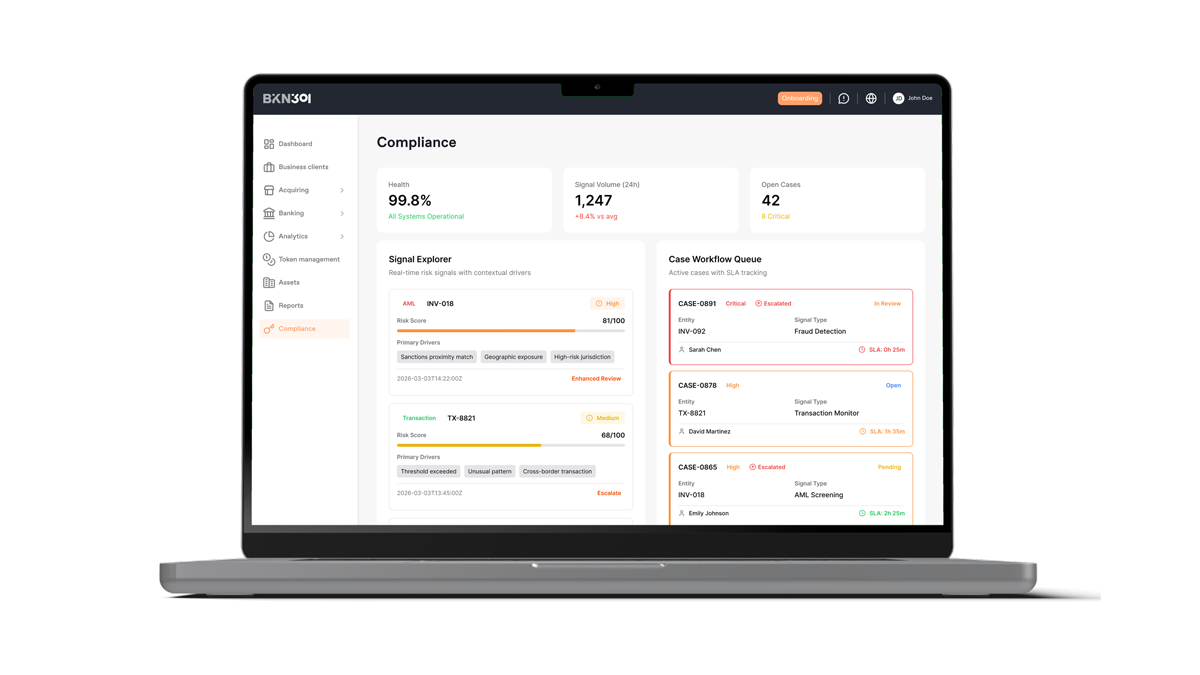
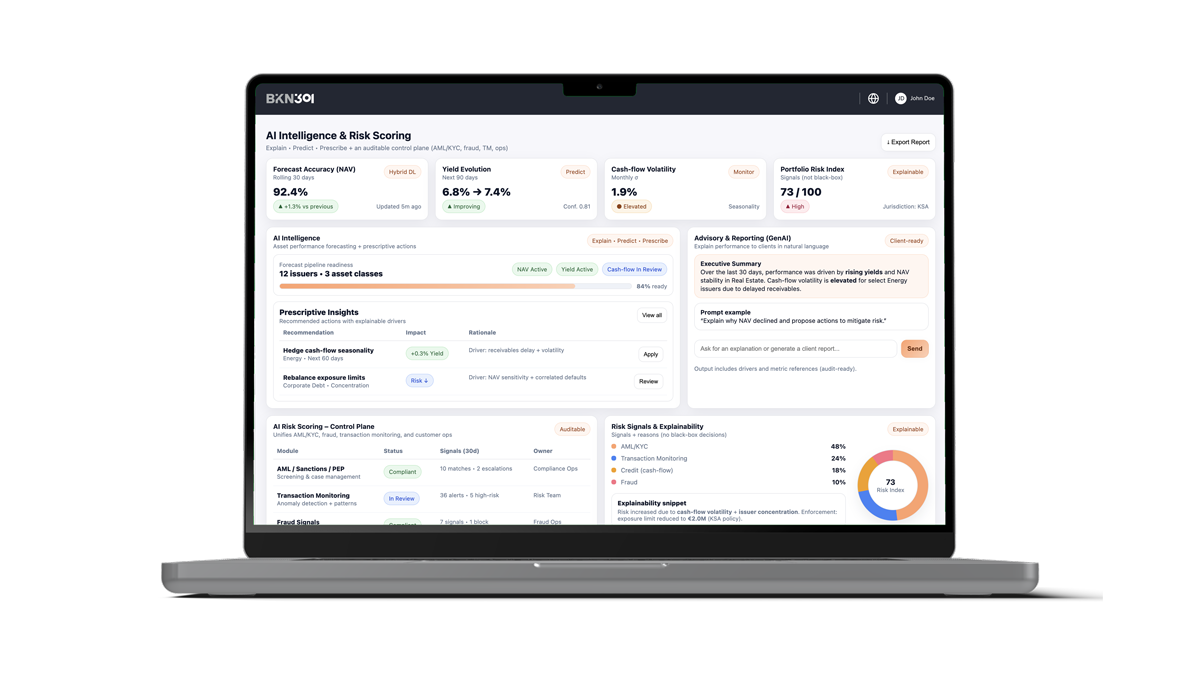
AI is becoming central to payment operations, from detecting fraud and monitoring transactions to automating workflows and supporting operational decisions.
Its reliability depends on trusted identities, governed data, resilient APIs and securely managed credentials. Tokenisation therefore supports more than payment security; it underpins trusted, tokenised payments and contributes to the environment required for AI-driven financial services.
Building digital banking infrastructure
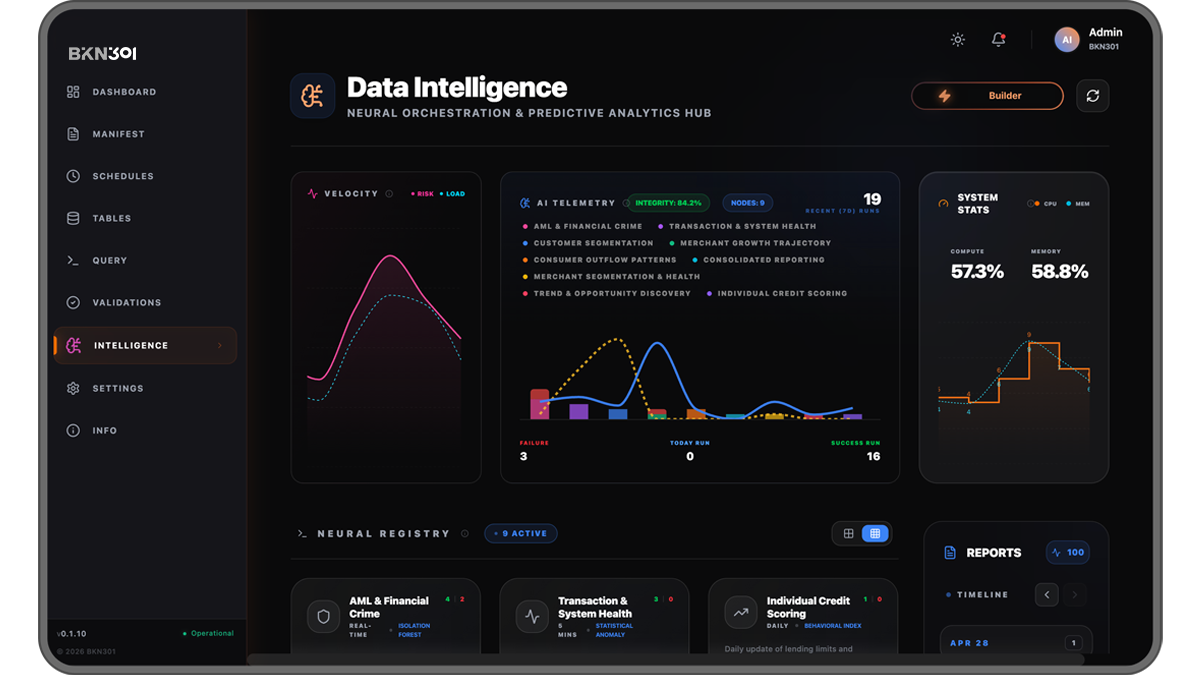
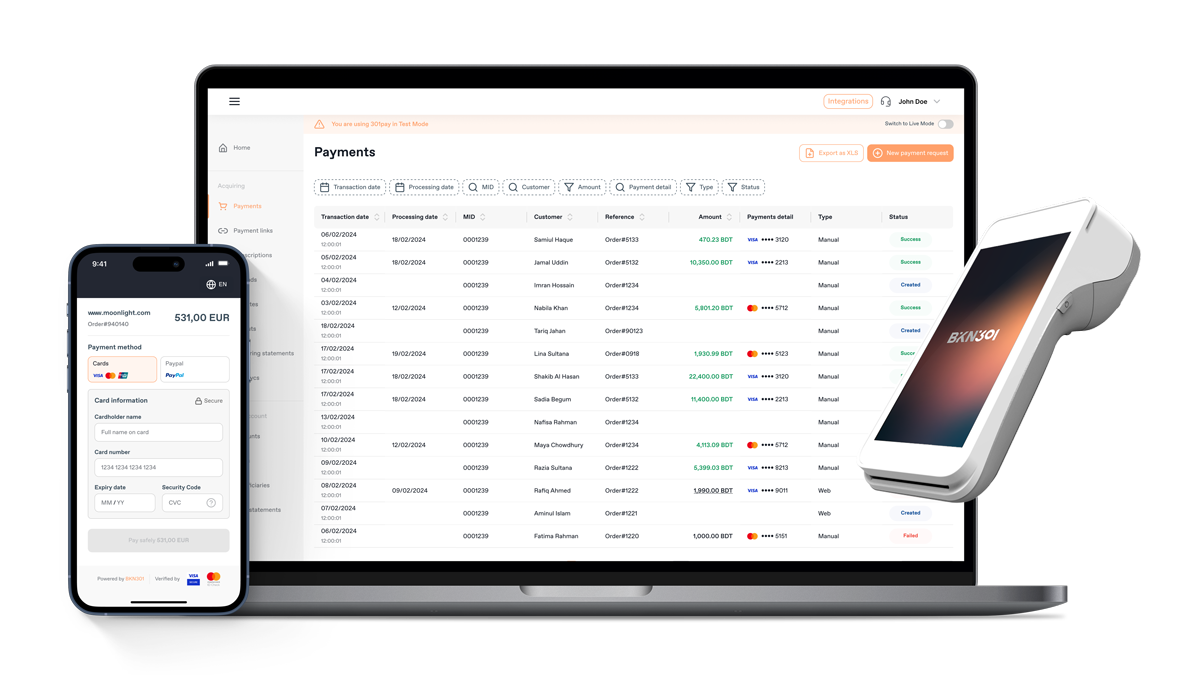
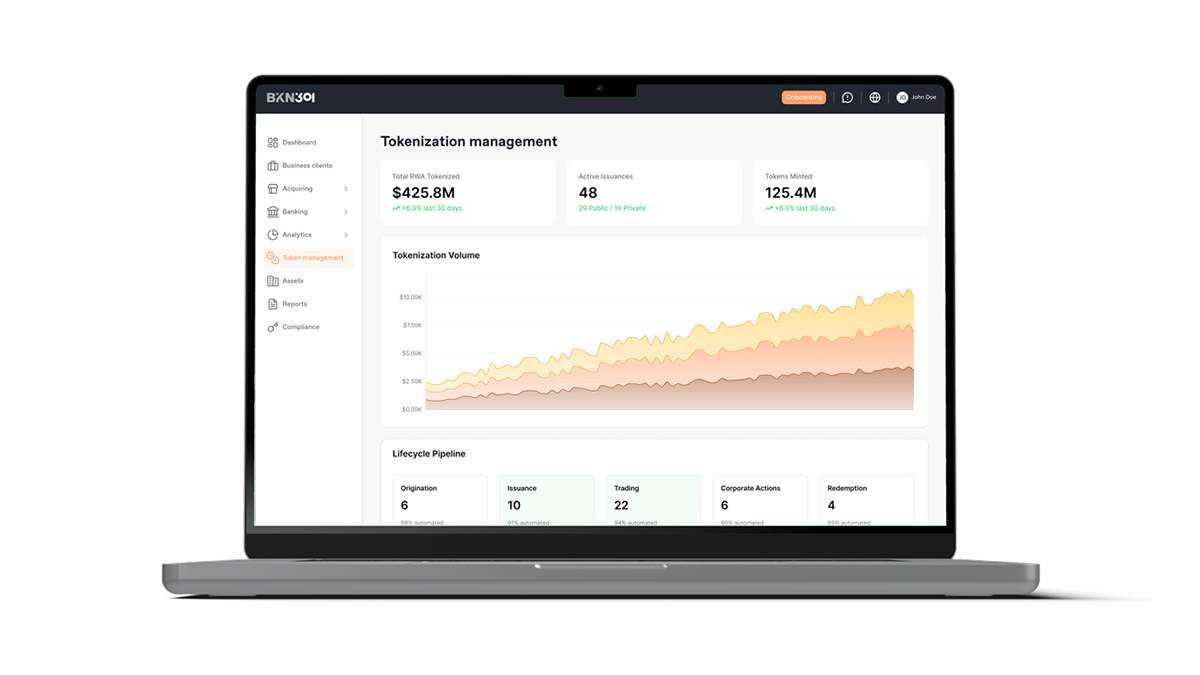
At BKN301, tokenisation forms part of a broader infrastructure strategy. Our Financial Operating System brings together API Gateway, Data Decoupling, payment orchestration, AI infrastructure and tokenised services, including card tokenisation, within a governed architecture for banks, fintechs and financial institutions.
Together, these capabilities help organisations build digital services that are secure by design, AI-ready, API-driven and resilient at scale.
Customers may never see the infrastructure behind a payment. They know when it works.
FAQ
What is payment tokenisation and why is it now essential for digital banking?
Payment tokenisation replaces sensitive card data (like a PAN) with a unique, context-bound token that has no value if intercepted. It protects credentials without adding friction and enables experiences customers expect—one-click checkout, digital wallets, card-on-file, embedded finance and subscriptions—while keeping transactions secure and fast. Its adoption is already at global scale (over 30% of Mastercard transactions are tokenised), making it a foundational part of modern, invisible payment infrastructure.
How is tokenisation different from encryption, and do banks need both?
Encryption scrambles data into ciphertext that can be restored with a decryption key; tokenisation replaces the original value with a token that has no mathematical link to it and can only be resolved by an authorised tokenisation system. In practice, they work together: encryption protects data at rest and in transit, while tokenisation limits exposure of payment credentials during transactions and downstream processing.
What evidence shows tokenisation improves security and payment performance?
Visa reports that payment tokenisation can reduce e-commerce fraud by 35% and increase authorisation rates by nearly five percentage points versus traditional card credentials. These measurable gains translate into safer checkouts and more approvals, without extra steps for customers.
What happens behind the scenes during a tokenised payment, and how does BKN301 help it scale?
Financial institutions coordinate token validation, fraud detection, risk analysis, authorisation, API orchestration and system connectivity within milliseconds—so customers never see the complexity. To handle growing volumes without overloading core systems, BKN301 uses caching and architectural decoupling to cut redundant core API traffic by 15–35%, boosting efficiency and resilience while keeping experiences seamless.
What is BKN301’s AI-sovereign orchestrator platform and what outcomes does it enable?
It’s a governed architecture that unifies an API Gateway, Data Decoupling, payment orchestration, AI infrastructure and tokenised services (including card tokenisation) for banks, fintechs and financial institutions. Together, these capabilities help teams build services that are secure by design, AI-ready, API-driven and resilient at scale—delivering the reliability customers expect, even if they never see the infrastructure.
Sources:
- Mastercard,“Say Goodbye to Manual Card Entry: A New Era of One-Click Online Payments.”, 12 March 2025.
- Mastercard, “Mastercard Advances Europe’s Checkout Transformation on the Road to 2030.” , 1 June 2026.
- Visa, “Security at Network Scale: Protecting Digital Payments.”, 2 April 2026.
Originally published on LinkedIn on 22 July 2026.