

Buy Now Pay Later (BNPL), formally known as Deferred Payment Credit (DPC), is now regulated by the Financial Conduct Authority (FCA) in the UK. As the new rules came into force on 15 July 2026, Retail Banker International gathered reactions from across the industry, including Stiven Muccioli, Founder and CEO of BKN301. His view: regulation is proof that BNPL has reached maturity, but implementing it across outdated, fragmented legacy systems will expose an infrastructure challenge.
Key takeaways
- UK BNPL providers must now run affordability checks, give clearer information and support customers in financial difficulty.
- Consumers gain Section 75 protection on eligible purchases over £100 and access to the Financial Ombudsman Service.
- According to Muccioli, BNPL is “entering adulthood”: customers still expect fast, flexible credit embedded in the apps they already use.
- Many financial institutions still lack the infrastructure to connect customer data, credit decisioning and compliance across retailers’ websites, apps and wallets.
- Composable infrastructure lets banks and fintechs add new controls without replacing their entire technology stack.
What changes with UK BNPL regulation
The FCA says its regime is designed to reduce the risk of harm to consumers while remaining proportionate, so that the sector can continue to innovate and grow sustainably. In practice, DPC lenders must give consumers information that helps them make informed decisions before and during an agreement, lend responsibly and affordably, and support customers facing financial difficulty. Fully authorised firms will also need to report product sales data to the FCA.
For consumers, the new safeguards include Section 75 purchase protection on eligible purchases over £100 and access to the Financial Ombudsman Service.
UK BNPL market: the numbers behind the rules
BNPL has become part of everyday spending in the UK. Figures cited in the original article include:
- More than 100 million UK BNPL transactions in 2025, worth over £7bn, with 98.5% of BNPL spending repaid on time (Experian).
- Almost half (48%) of UK adults now use BNPL products (Compare the Market).
- A UK BNPL market of more than £13bn in 2024, with 10.9 million adults using BNPL in the 12 months to May 2024 (FCA figures).
BNPL is entering adulthood
“BNPL’s regulation in the UK is proof of fintech moving from the margins to the mainstream. Once challengers operating outside the orbit of the big incumbent banks, BNPL providers like Klarna, PayPal, and Afterpay are household names at the forefront of consumer finance. But naturally, scale must be matched by stronger transparency and consumer protection.”
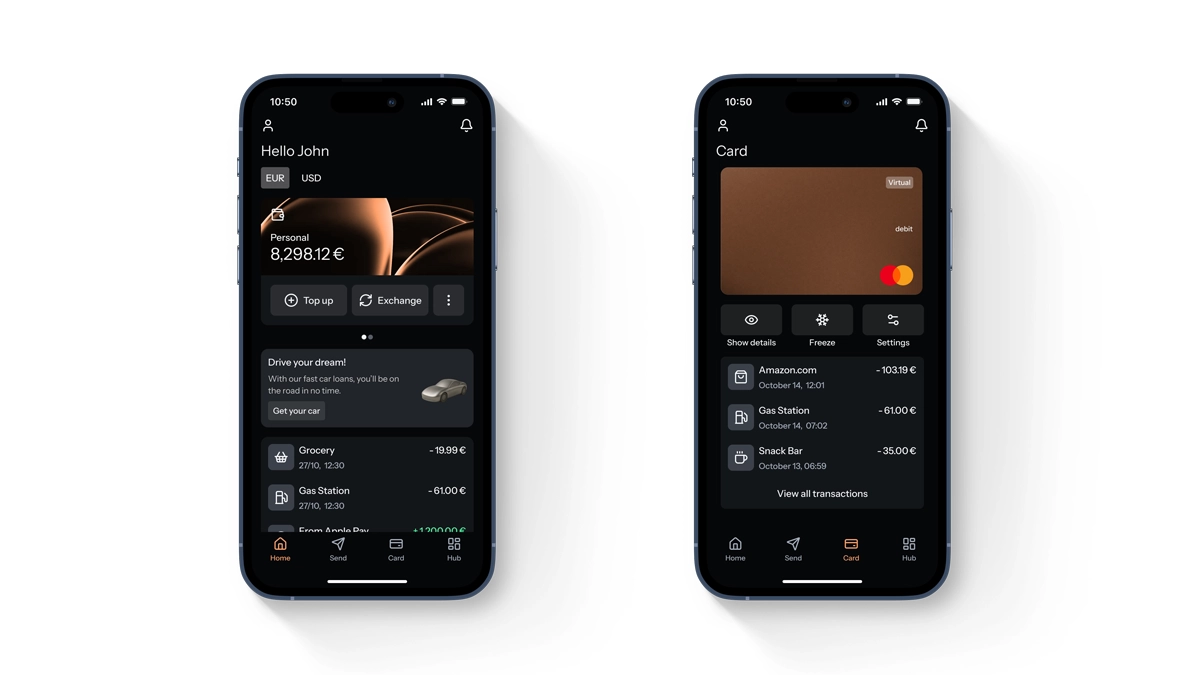
For Muccioli, the shift does not change what customers expect. “Graduating from its teenage years, BNPL is now entering adulthood. In this era, consumers will still expect fast and flexible credit, embedded seamlessly into the apps they already use.”
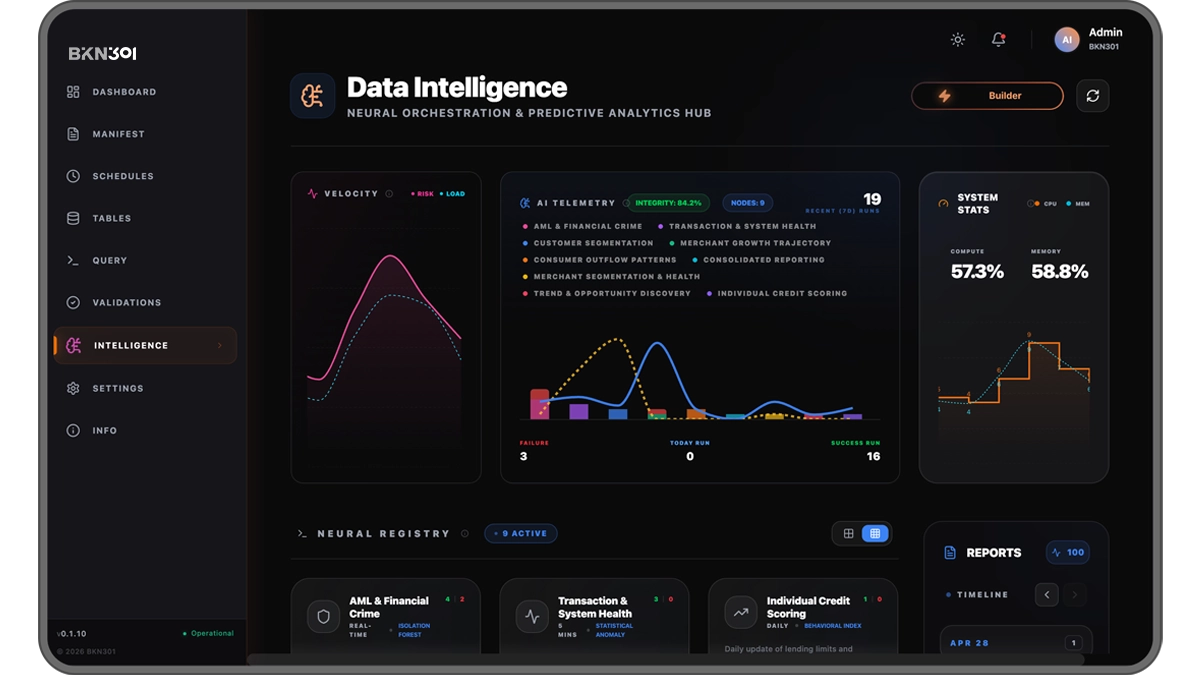
What changes is the operational bar. Providers will need to capture better customer data, run more robust checks, deliver consistent disclosures and maintain clear records across every channel through which BNPL is offered, all accurately and in real time, without adding friction to the customer journey.
The infrastructure challenge behind the checkout
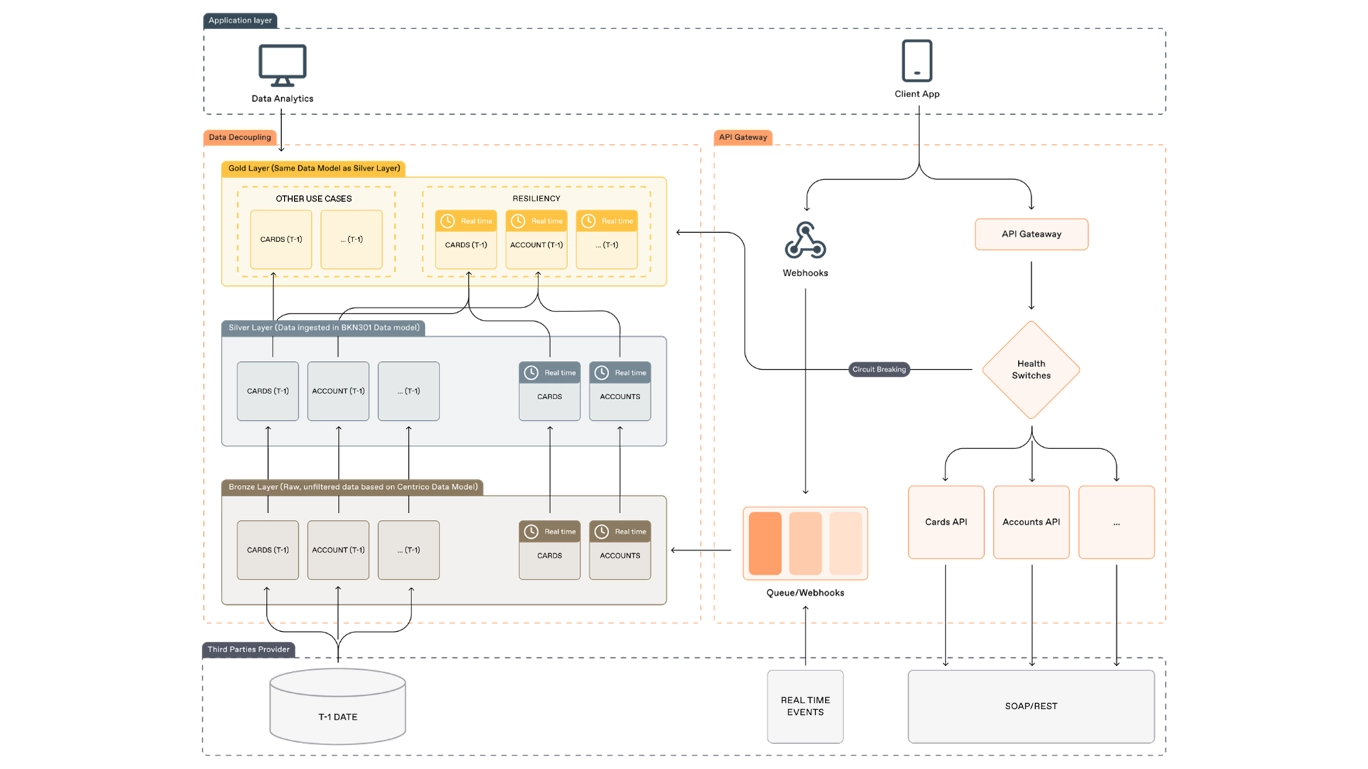
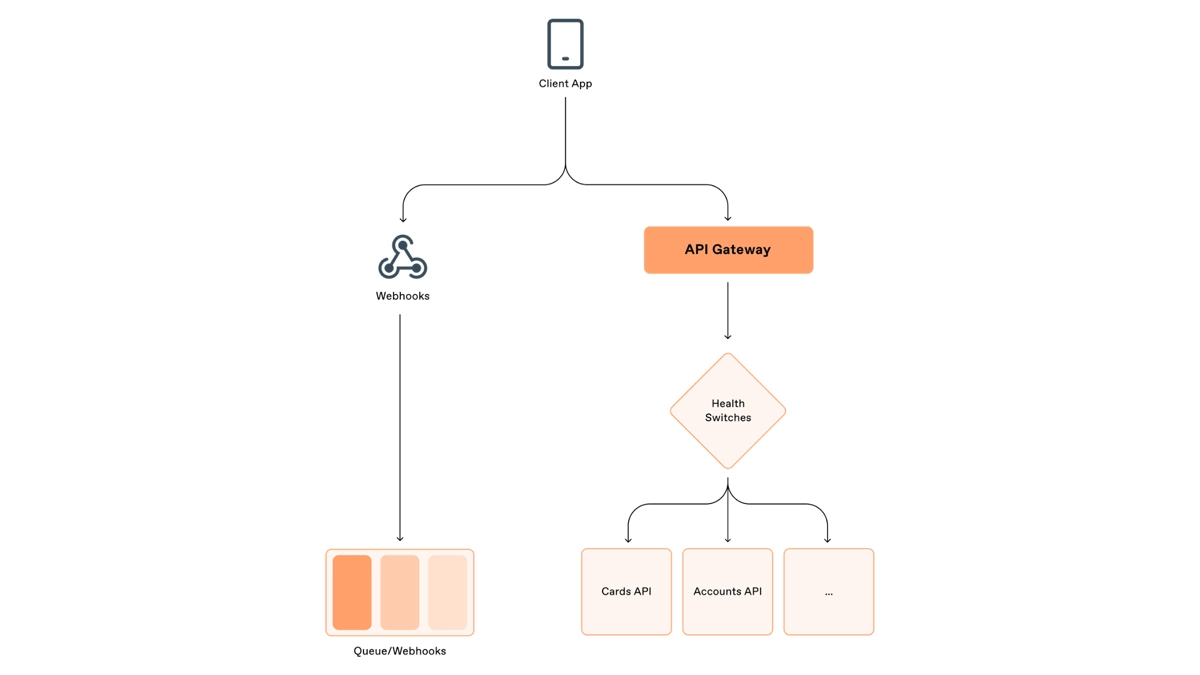
“Here is where an infrastructure challenge is exposed. BNPL is distributed across retailers’ apps and websites, digital wallets and payment platforms, yet many financial institutions still rely on legacy systems that were simply not designed to connect data, decisioning, and compliance across multiple touchpoints. When those functions sit in silos, providers risk creating fragmented processes and disjointed customer experiences.”
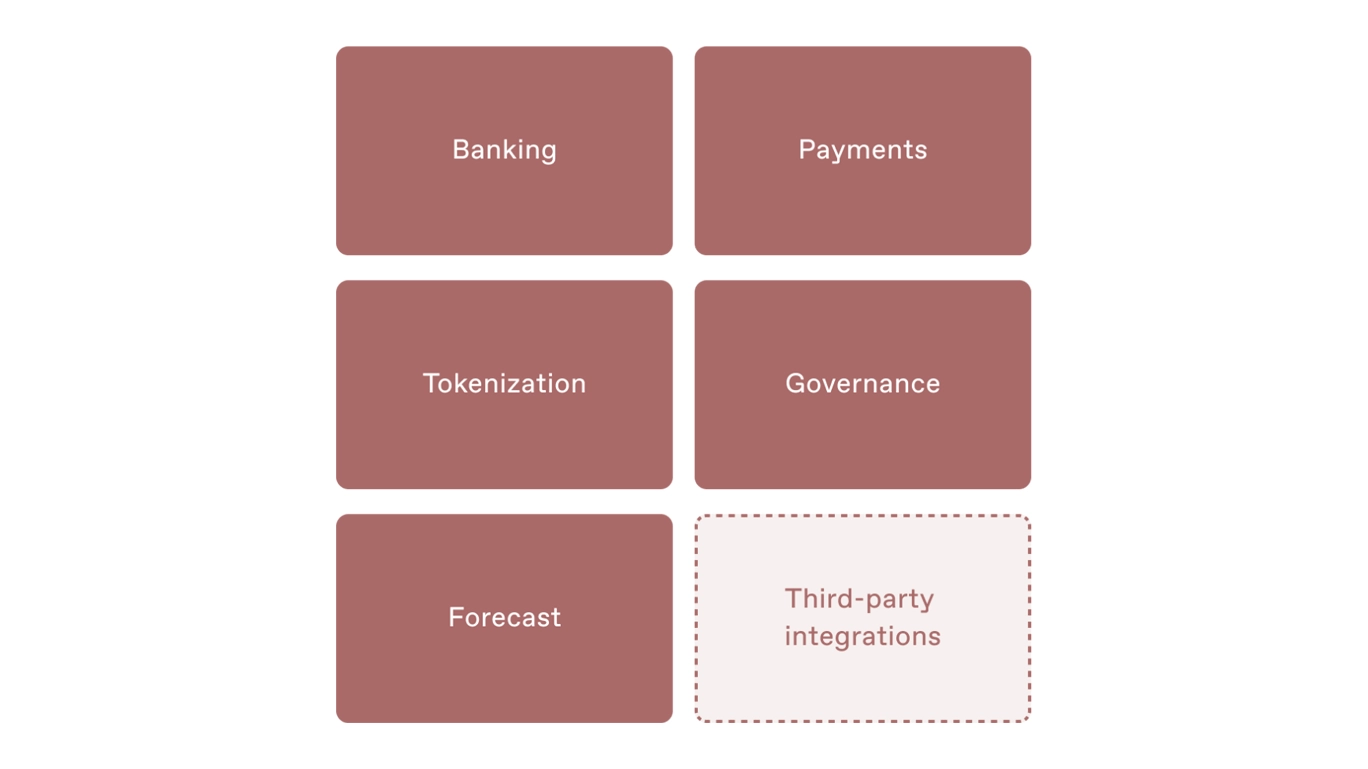
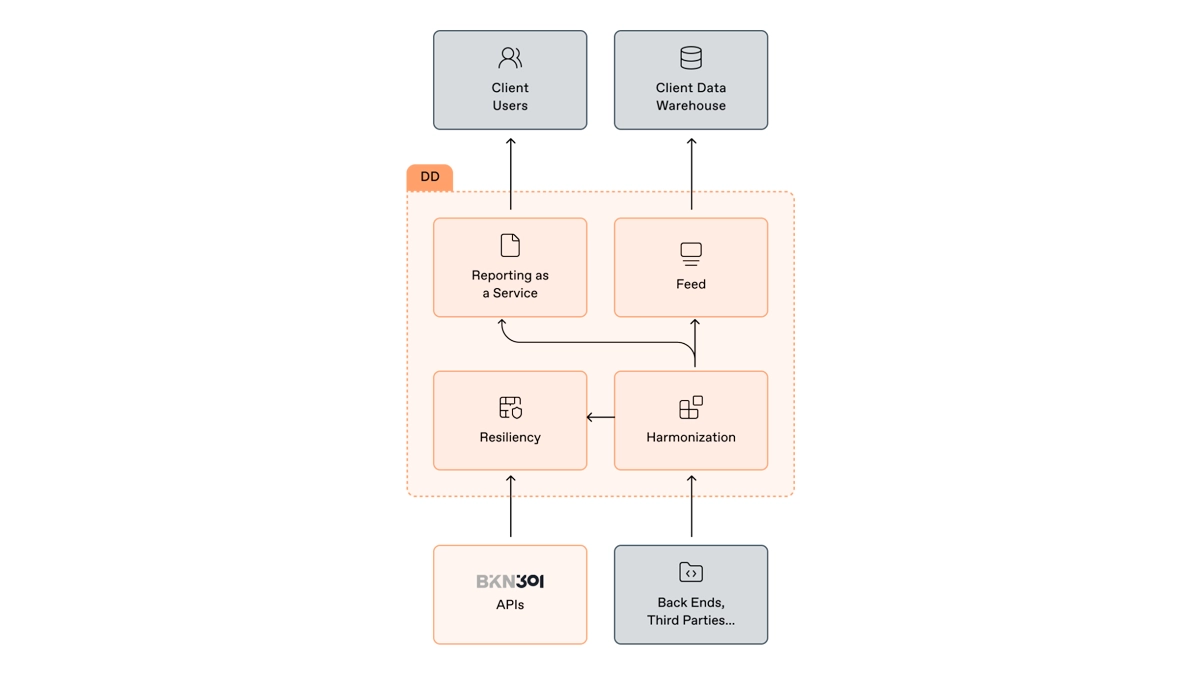
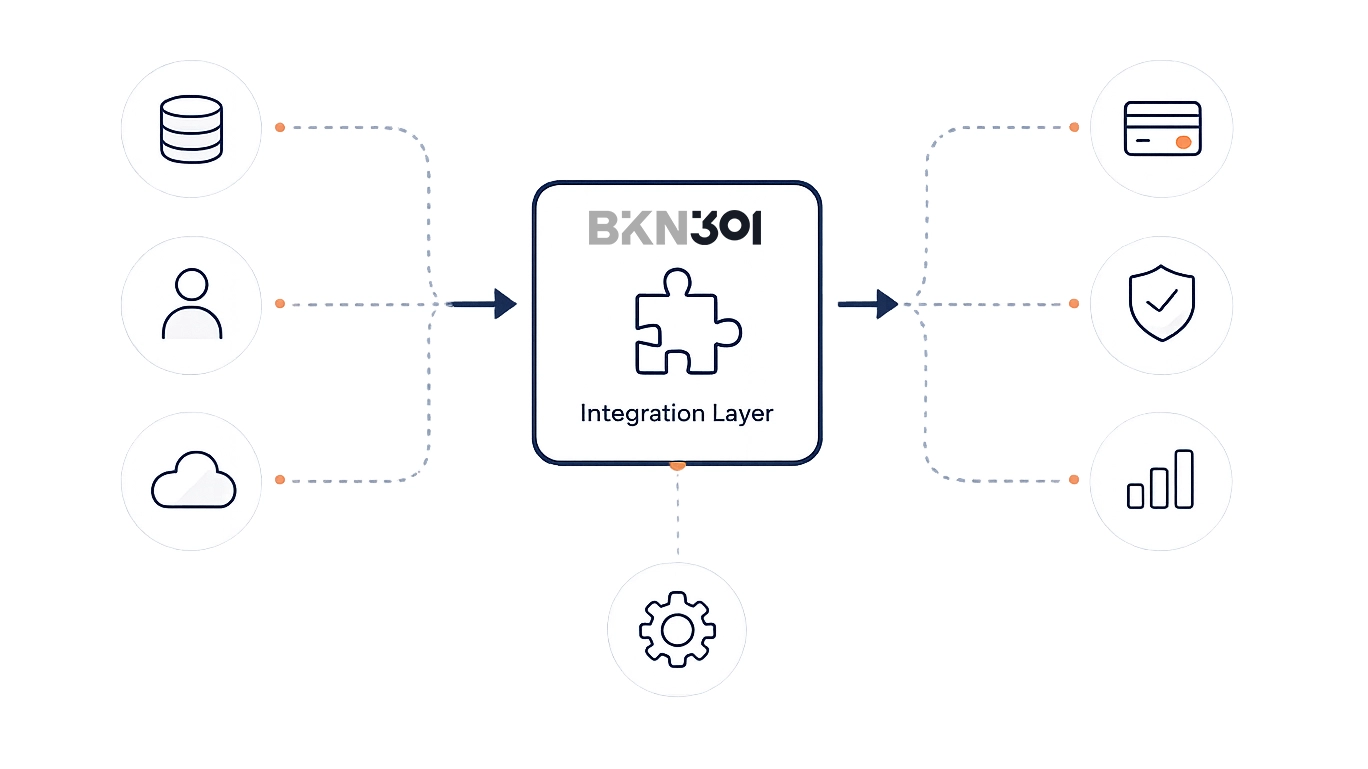
Muccioli’s answer is composable infrastructure. By integrating modular capabilities across payments, wallets, onboarding and compliance, banks and fintechs can introduce new controls without replacing their entire technology stack, keeping the “front of house” customer experience fast and frictionless while data, decisioning and compliance work together behind the scenes.
What the wider industry is saying
Muccioli’s focus on infrastructure echoes other voices in the original article. Radi El Haj, CEO of RS2, argues that affordability checks must happen instantly as part of the transaction, using the same real-time data lenders already rely on for fraud checks. David Firth of Moneyhub points out that credit bureau data can lag by 30 to 60 days, making open banking data essential for a complete view of a borrower. Others, including DECTA and Creditspring, highlight open questions around the exemption for merchant-provided credit and what “proportionate” affordability checks will mean in practice.
“BNPL’s next chapter will therefore be decided not just by what happens at the checkout, but by the infrastructure working behind the till. Regulation may be the catalyst for change, but infrastructure will decide who keeps up.”
Frequently asked questions about UK BNPL regulation
When did BNPL become regulated in the UK?
Buy Now Pay Later, formally Deferred Payment Credit, came under FCA regulation on 15 July 2026.
What protections do UK BNPL users get?
Affordability checks, clearer information before and during an agreement, support in financial difficulty, Section 75 protection on eligible purchases over £100 and access to the Financial Ombudsman Service.
Why is BNPL regulation an infrastructure challenge?
BNPL is offered across retailers’ websites and apps, digital wallets and payment platforms. Providers must now run checks, disclosures and record-keeping consistently and in real time across all of them, which is difficult when data, decisioning and compliance sit in siloed legacy systems.
How can banks and fintechs adapt?
According to Stiven Muccioli, composable infrastructure that integrates modular capabilities across payments, wallets, onboarding and compliance allows institutions to add new controls without replacing their entire technology stack.
Stiven Muccioli’s comments were originally published by Retail Banker International in “UK BNPL regulations come into effect: Industry reaction”, 15 July 2026.